Introduction
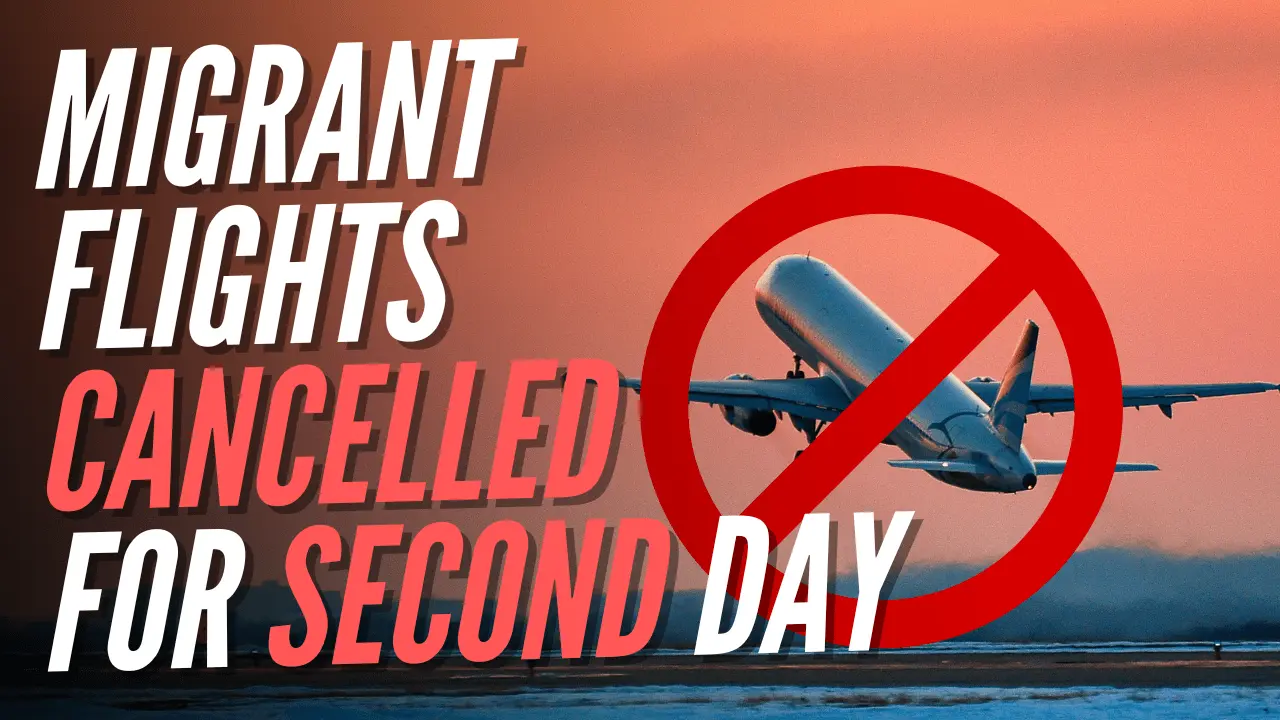
The recent cancellation of a migrant flight to the UK has sparked discussions around the challenges faced by asylum seekers and the broader implications for immigration policy. This incident underscores ongoing struggles in managing migration systems amid rising geopolitical tensions and humanitarian crises. Understanding the reasons and effects of such cancellations is essential for the future of migration policy and humanitarian aid efforts.
The Incident
On October 10, 2023, a flight scheduled to transport 50 asylum seekers from a temporary holding centre in the UK to a destination country was abruptly cancelled due to administrative errors and legal challenges. This decision has left many waiting in uncertainty, highlighting the complexities involved in migration systems. Human rights groups have expressed significant concern over the treatment of these individuals, some of whom have fled persecution and violence in their home countries.
Consequences for Migrants
The cancellation has a profound impact on the lives of those affected. Many had already been informed about their pending deportation, leading to a heightened level of anxiety and distress. Legal representatives for the asylum seekers have argued that such abrupt cancellations not only disrupt the lives of the migrants but may also violate international legal obligations concerning the treatment of refugees.
Political and Policy Implications
The incident poses critical questions regarding the UK’s current immigration policy and its execution. Critics argue that the government needs to do more in terms of providing clarity and support to migrants undergoing the asylum process. Furthermore, the recent surge in flight cancellations has raised concerns over the efficacy of policies designed to manage immigration and protect vulnerable individuals coming to the UK seeking a better life.
Looking Ahead
As the situation continues to evolve, it is vital for policymakers to acknowledge these challenges and work towards a more coherent and humanitarian approach to migration. In addition, there is pressure to streamline immigration processes to prevent future flight cancellations, ensuring that those fleeing danger are treated with dignity and respect. This recent incident serves as a stark reminder of the complexities of immigration issues and the need for systemic reform.
Conclusion
The cancellation of migrant flights not only disrupts the lives of individuals seeking safety but also signifies broader issues within national migration policies. As inhumane conditions persist and the global context continues to shift, it is crucial for government officials to advocate for policies that prioritise human rights and provide real solutions for migrants. The hope is that learning from these recent events can lead to more stable, fair, and supportive frameworks for those seeking refuge.
