Introduction
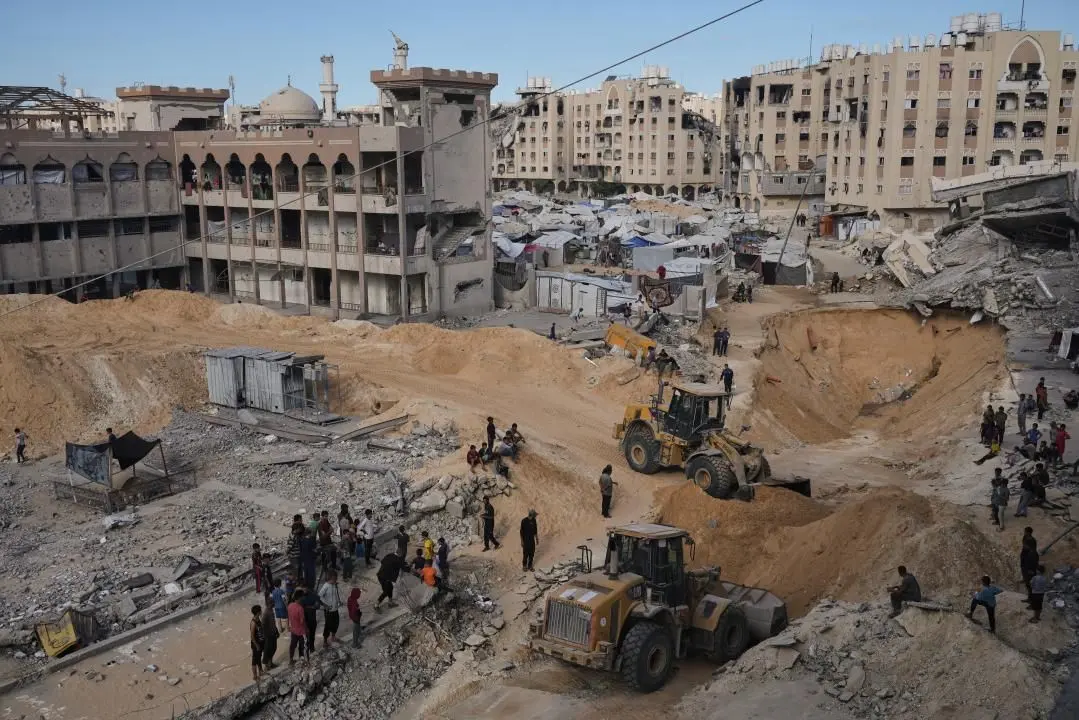
Rafah, located on the border of Egypt and Gaza, has become a focal point in the recent escalation of violence in the region. The town has experienced severe humanitarian challenges, particularly in light of the latest conflict that has resulted in significant loss of life and displacement. Understanding Rafah’s role in this situation is crucial for comprehending the broader implications for the Middle East and international relations.
The Current Situation in Rafah
As of October 2023, Rafah is experiencing increasing tension due to ongoing military operations and airstrikes in Gaza. Reports indicate that the humanitarian situation is deteriorating rapidly, with essential supplies such as food, water, and medical aid severely limited. The Egyptian government has implemented security measures to manage its border with Gaza, leading to restrictions on the movement of people and goods.
International reports highlight that thousands of displaced Palestinians are seeking refuge in Rafah as they flee the violence in other areas of Gaza. The al-Aqsa Martyrs Brigade, alongside Hamas, has been involved in intense confrontations with Israeli forces, further complicating the humanitarian response. Numerous non-governmental organizations are attempting to provide assistance, but access remains a significant challenge due to the ongoing fighting.
Key Events Impacting Rafah
Recent escalations, including a series of missile strikes and retaliatory actions, have led to significant casualties in Rafah. According to the United Nations, civilian casualties continue to rise, exacerbating the already dire situation. The international community has echoed concerns regarding the humanitarian crisis, calling for ceasefire discussions and increased access for aid organisations.
International Response
The global response has varied, with some countries advocating for immediate humanitarian corridors to be established to relieve suffering in Rafah and beyond. Egypt has expressed its concern and has opened its crossing to only a limited extent, primarily focusing on allowing entry to individuals requiring urgent medical attention. However, efforts to establish a sustained pathway for humanitarian support are still in negotiation.
Conclusion
The situation in Rafah encapsulates the complex interplay of conflict and humanitarian aid in the region. The consequences of the ongoing violence are vast, impacting civilian populations and regional stability. As negotiations continue, the need for comprehensive solutions is urgent. With global attention focused on Rafah, readers must remain informed about the humanitarian needs and the geopolitical ramifications of this pivotal border town. A collaborative international effort will be essential to mitigate the ongoing crisis and foster a pathway towards peace.
