Introduction
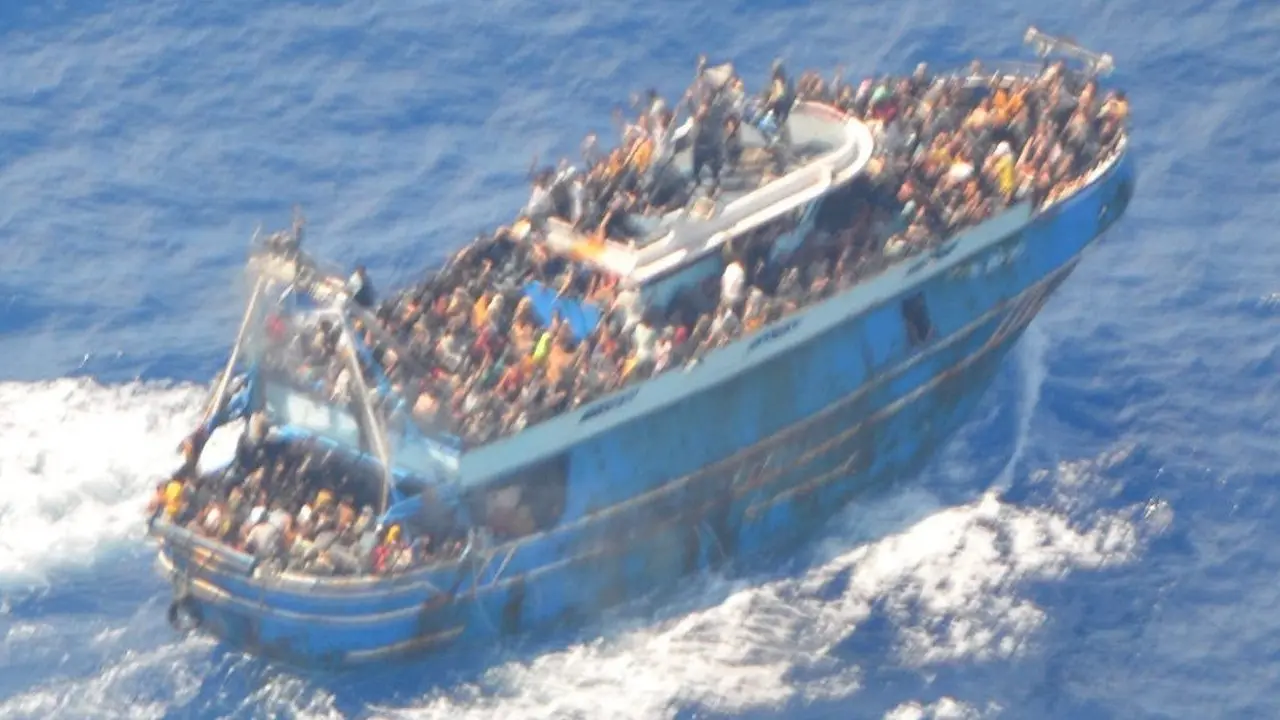
The tragic sinking of a migrant boat in the English Channel has sparked significant public concern and led to an extensive inquiry. This incident not only highlights the dangers faced by migrants attempting to cross the Channel in small, overcrowded vessels but also raises questions regarding maritime safety regulations and the responsibilities of both governments and organisations involved in immigration.
The Incident
On November 24, 2021, a small dinghy capsized in the freezing waters of the Channel, resulting in the deaths of over 30 individuals—making it one of the deadliest incidents in recent years. The victims were largely from Afghanistan, Iran, and Iraq, underscoring the perilous journeys many undertake in search of safety and stability in Europe.
Investigation Developments
In response to this disaster, the UK and French authorities launched a joint inquiry aimed at understanding the events that led up to the capsizing and subsequently determining accountability. Key aspects of the inquiry involve examining the conditions aboard the vessel, the roles played by people smugglers, and the adequacy of search and rescue operations in the area.
Evidence collected includes testimonies from survivors, as well as data from maritime patrols and satellite tracking. Moreover, the inquiry seeks to assess the effectiveness of existing policies that regulate migrant crossings, which have been under scrutiny amid increasing calls for reform.
International Response
The inquiry has not only had national repercussions but has also spurred international dialogue regarding migration policies in Europe. Human rights advocates have called for greater protection and more humane treatment of migrants. They argue that further scrutiny of border control measures is essential to avoid such tragedies in the future.
Conclusion
The Channel migrant boat sinking inquiry is a crucial step in seeking justice for the victims and understanding the systemic issues surrounding maritime migration. While the inquiry is ongoing, its findings are expected to influence policy changes and improve safety protocols for future crossings. As public attention remains focused on this tragedy, it serves as a stark reminder of the human cost behind migration and the urgent need for comprehensive solutions to this complex crisis.
