Introduction
As of 2023, the European Union (EU) comprises 27 member countries, a political and economic alliance that plays a crucial role in shaping policies within Europe and beyond. Understanding the makeup of the EU is vital, as it influences trade, travel, and legislative frameworks across the continent. With Brexit in the background, awareness of these countries and their relationships becomes even more pertinent for residents and stakeholders.
Current List of EU Countries
The 27 member states of the European Union include:
- Austria
- Belgium
- Bulgaria
- Croatia
- Cyprus
- The Czech Republic
- Denmark
- Estonia
- Finland
- France
- Germany
- Greece
- Hungary
- Ireland
- Italy
- Latvia
- Lithuania
- Luxembourg
- Malta
- The Netherlands
- Poland
- Portugal
- Romania
- Slovakia
- Slovenia
- Spain
- Sweden
Each of these nations brings unique cultures, economies, and political perspectives, which, when combined, create a diverse yet interconnected space across Europe.
Recent Developments within the EU
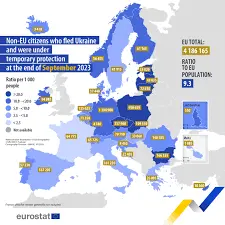
In recent months, EU countries have been addressing various challenges, including economic recovery post-COVID-19, climate change initiatives, and geopolitical tensions arising from events such as the ongoing war in Ukraine. The EU has emphasized unity, with countries coordinating on sanctions against Russia and increasing military support for Ukraine. Discussions around energy independence and sustainability have also gained prominence, leading to collective measures aimed at reducing reliance on fossil fuels.
Significance for Residents and Stakeholders
For citizens and businesses within these member states, the implications of EU policies are profound. These policies facilitate free movement, enhance trade opportunities, and establish standards across various sectors ranging from environmental protection to consumer rights. Additionally, understanding the dynamics of EU countries can provide insights into future developments that may affect national regulations, economic conditions, and social policies.
Conclusion
As we move further into 2023, the landscape of EU countries remains pivotal in shaping not only European policies but also global affairs. As challenges evolve, staying informed about the interplay between EU nations will be crucial for both citizens and businesses alike. A collaborative approach will likely define the future’s responses to climate change, economic stability, and geopolitical stability in Europe.
