Introduction
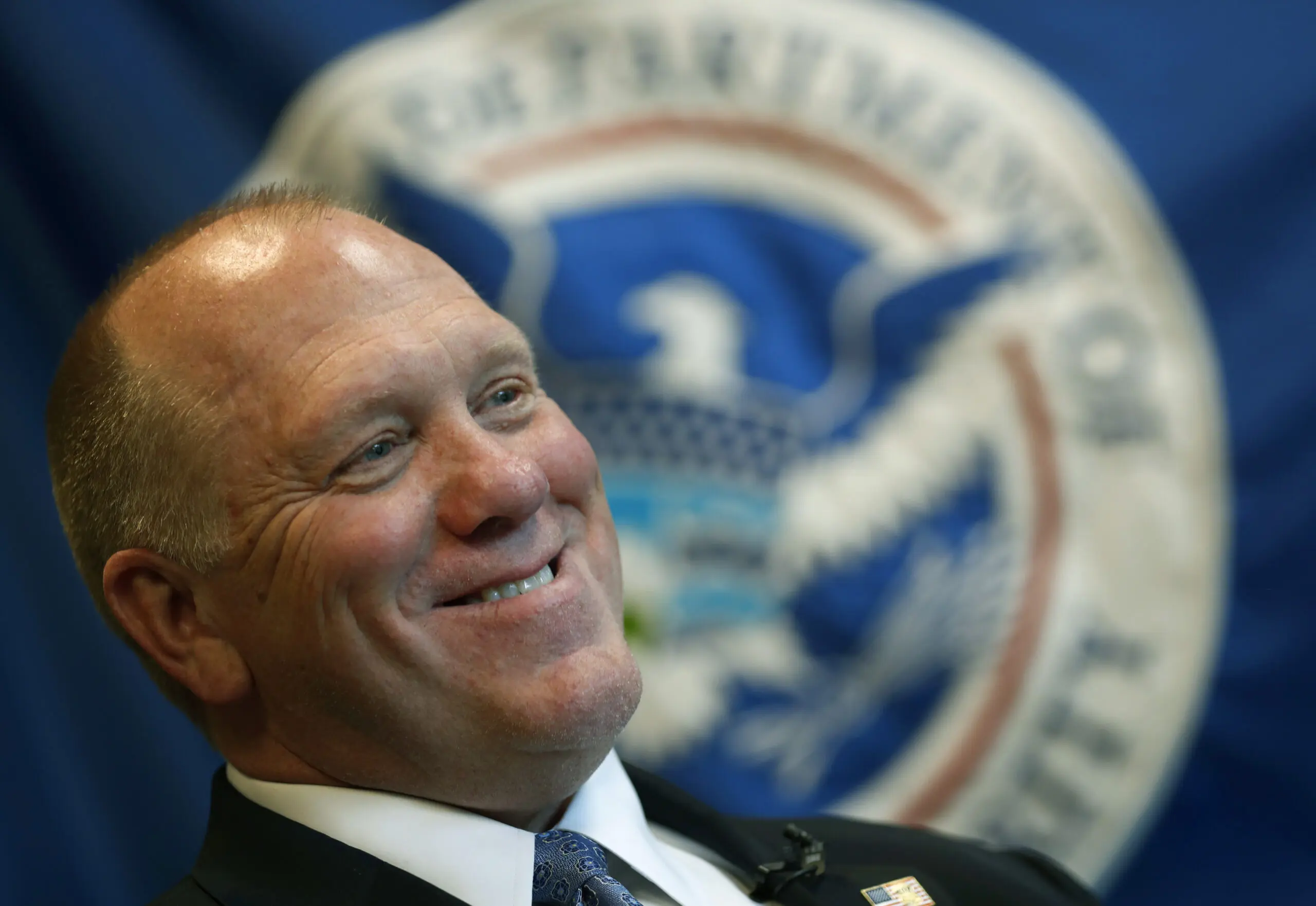
Tom Homan, the former acting director of the U.S. Immigration and Customs Enforcement (ICE), has been a prominent figure in immigration discussions in the United States. His tenure at ICE and his subsequent advocacy for stricter immigration enforcement have positioned him as a highly influential and controversial voice in the nation’s ongoing debates about immigration policy. As the Biden administration continues to navigate these complex issues, understanding Homan’s impact and perspectives is vital for anyone following U.S. immigration developments.
Main Body
Tom Homan served as the acting director of ICE from 2017 to 2018 under President Donald Trump. During his time in office, Homan was known for significantly ramping up deportations and enforcing immigration laws more strictly than his predecessors. He was a proponent of the controversial “zero-tolerance” policy that led to the separation of families at the border and was unapologetic in his stance on illegal immigration, often stating that those violating immigration laws should face stringent consequences.
Homan’s career in law enforcement spans over three decades, primarily focused on immigration matters. In 1989, he began his career with the U.S. Border Patrol, and he later moved on to various roles within ICE, where he rose through the ranks to hold leadership positions. His experience and staunch advocacy for immigration enforcement have made him a sought-after speaker on immigration-related issues since leaving his post at ICE.
In recent months, Homan has been vocal in his criticisms of the current administration’s immigration policies, arguing that they have resulted in an increase in illegal crossings at the southern border and have exacerbated security concerns. He often highlights his belief that there is a direct correlation between border security and national security, emphasizing that without robust immigration enforcement, public safety may be compromised.
Additionally, Homan has taken on roles in various think tanks and advocacy groups, where he continues to push for comprehensive immigration reform that prioritizes enforcement. He has also appeared on numerous news platforms, sharing his perspective on immigration legislation, the operational challenges faced by border enforcement agencies, and the overall impacts on communities across the nation.
Conclusion
As immigration remains a contentious topic in American politics, Tom Homan’s insights and experiences provide a critical perspective for understanding the broader implications of enforcement policies. His influence on the immigration discourse signals the importance of maintaining a balanced approach to policy that speaks to both security and humanitarian concerns. Going forward, it will be crucial for policymakers, advocates, and the public to consider the lessons learned from Homan’s tenure and the ongoing challenges facing the immigration system.
