Introduction
The state pension age in the United Kingdom is a crucial topic as it directly affects millions of citizens nearing retirement. Recent changes to the pension age, initiated by the government, have raised significant concerns and discussions about the financial security of the aging population. Understanding these changes is vital in addressing how they may impact future pensioners.
Current State Pension Age
As of October 2023, the state pension age for both men and women in the UK is set at 66 years. This was implemented as part of the government’s efforts to address increasing life expectancy and the financial pressures on the pension system. According to figures from the Office for National Statistics (ONS), the average life expectancy in the UK has risen substantially over the last few decades, necessitating adjustments to the pension system to maintain its sustainability.
Future Changes and Raising the Pension Age
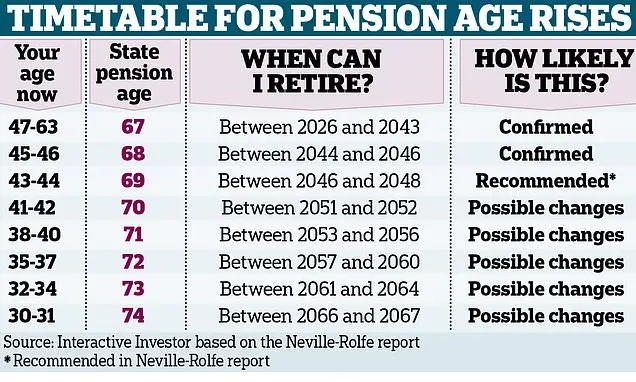
The UK government has proposed further increasing the state pension age to 67, expected to roll out between 2026 and 2028. Additionally, there are discussions about potentially raising it to 68 years by 2037. These adjustments stem from recommendations by the Cridland Review, which argued that with people living longer, the pension age should be reviewed and adjusted correspondingly.
As the changes approach, many individuals in their 50s and 60s are expressing concerns about the uncertain timelines and how these alterations impact their retirement planning. Campaigns have emerged advocating for clearer communication and gradual implementation of these changes to allow individuals more time to adapt.
Impact on Retirees and Workers
The implications of these changes are profound. Those approaching retirement may find themselves working longer than their predecessors, raising issues surrounding public health, workplace policies, and general wellbeing. The prospect of longer working lives can be daunting, particularly for those in physically demanding jobs or with health constraints.
Conclusion
The changes to the state pension age highlight a significant shift in the UK’s approach to retirement funding. As individuals face longer working lives, it is essential for them to prepare adequately and adjust their financial plans accordingly. Furthermore, the ongoing dialogue regarding pension reform underscores the need for policymakers to consider the diverse experiences of the workforce as they move forward. With the right strategies in place, the impact of these changes can be managed more effectively, ensuring a stable retirement for future generations.
