Introduction
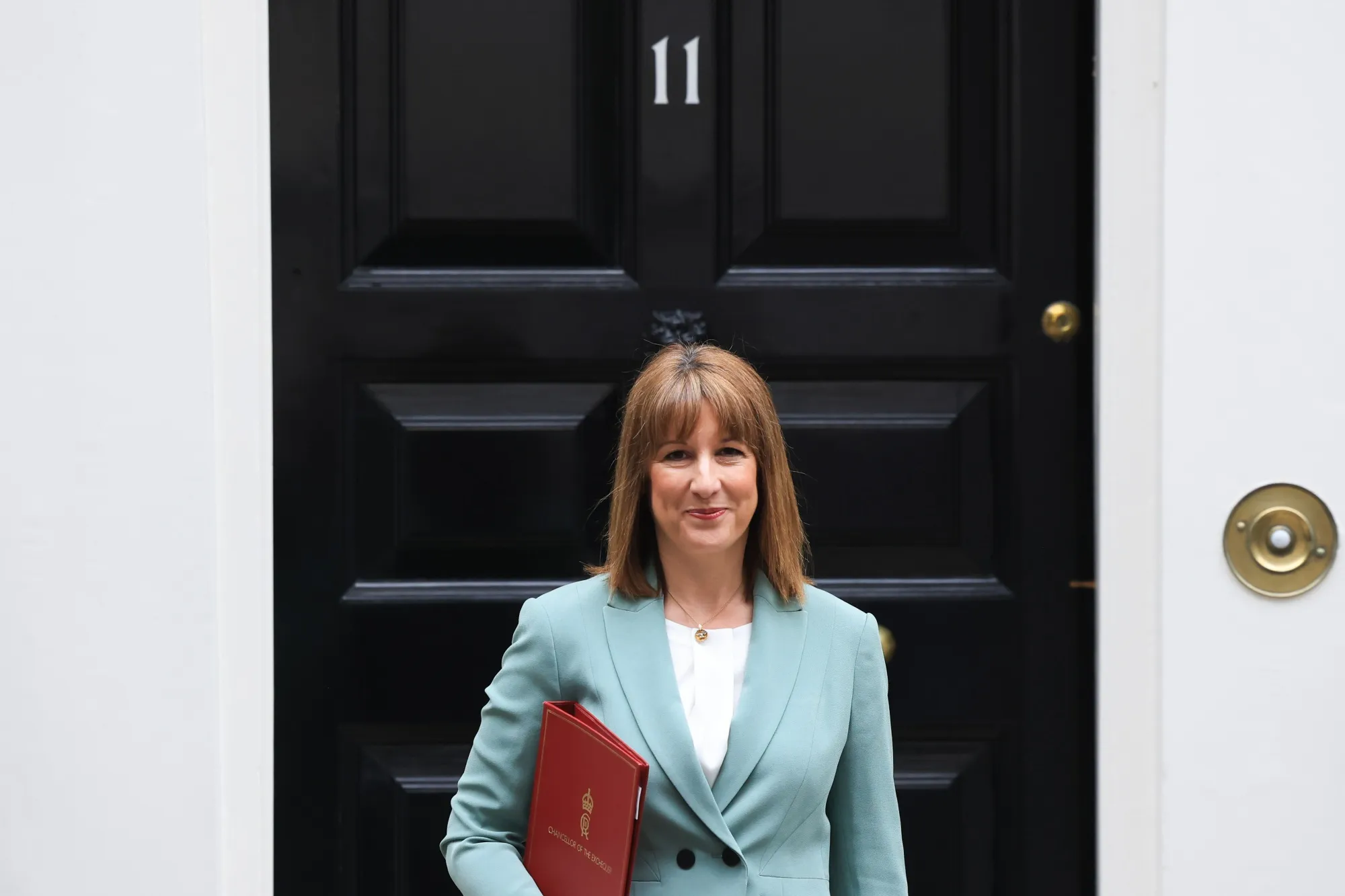
The Chancellor of the Exchequer is one of the most significant positions in the UK government, responsible for overseeing the economic and financial matters of the country. This role has gained heightened relevance in recent times amid fluctuating economic conditions, post-pandemic recovery, and the ongoing impact of global events on the UK economy.
Current Events and Developments
As of October 2023, the Chancellor, Jeremy Hunt, has been navigating a complex economic landscape marked by rising inflation, interest rates, and energy costs. The latest quarterly budget statement revealed several key initiatives aimed at stabilising the economy and addressing the cost of living crisis. These include tax adjustments and investments in critical public services aimed at stimulating growth and enhancing living standards.
In his recent address, Hunt highlighted the importance of fiscal responsibility while re-emphasising the government’s commitment to supporting low and middle-income families. The government has announced an extension of energy price support for vulnerable households through March 2024, aiming to ease financial burdens as energy prices remain volatile. Furthermore, anticipated tax cuts targeting small businesses are expected to encourage growth and innovation.
Impact of the Chancellor’s Decisions
The decisions made by the Chancellor directly influence public spending and the overall economic environment. For instance, the recent budget reassured markets with a commitment to maintain fiscal discipline, which is vital for attracting international investment. Analysts predict that these measures could foster a more stable economic climate, essential for long-term recovery.
Additionally, Hunt’s focus on green technology and renewable energy investment reflects the government’s efforts to achieve carbon neutrality by 2050, providing a dual benefit of fostering economic growth while addressing climate change challenges.
Conclusion
The role of the Chancellor of the Exchequer remains pivotal as the UK navigates through economic uncertainties. Jeremy Hunt’s strategies and policies, particularly in the face of pressing issues such as inflation and energy costs, will undoubtedly shape the socio-economic landscape in the coming months. As these developments unfold, stakeholders, including citizens and businesses, will be closely monitoring the Chancellor’s initiatives that not only impact current financial stability but also future economic prospects.
