Introduction
The Bank of England base rate is a crucial economic indicator that governs the interest rates on loans and savings across the UK. It plays a significant role in shaping monetary policy, influencing inflation, and affecting individuals and businesses alike. Understanding changes in the base rate is vital for all, especially as the UK navigates economic uncertainties.
Recent Changes to the Base Rate
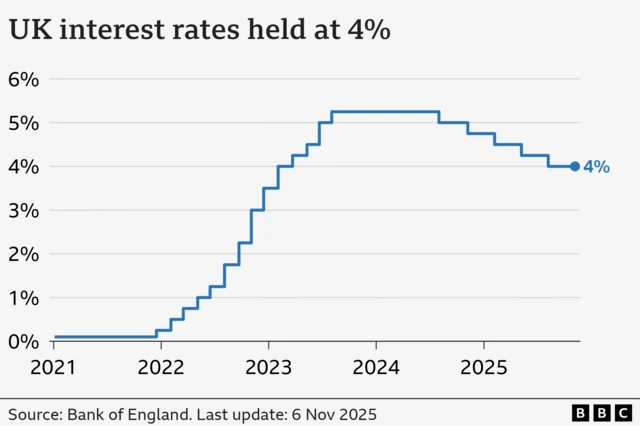
As of October 2023, the Bank of England has set the base rate at 5.25%, marking a rise from the previous 5.00% rate established in September. This decision was influenced by ongoing concerns regarding inflation, which lingered above the target set by the central bank. The Monetary Policy Committee (MPC) announced the rate hike following a meeting where robust discussions on economic forecasts and consumer spending trends were held.
Factors Influencing the Rate Decision
Several factors contributed to the MPC’s recent decision to increase the base rate. The inflation rate in the UK has stubbornly remained high, hovering around 6.7%, well above the 2% target set by the Bank. The committee noted that increased household spending and rising energy prices are key contributors to inflationary pressures. Furthermore, the UK economy showed resilience in the face of rising costs, leading to concerns that without intervention, inflation may not subside sufficiently.
Impact on Consumers and Businesses
The increase in the base rate will have immediate repercussions for both consumers and businesses. Mortgage rates are expected to rise, leading to higher monthly payments for homeowners. This could dampen consumer spending, a vital component of overall economic growth. For businesses, the cost of borrowing will increase, potentially leading to reduced investment expenditures. The dual impact may restrain economic growth as consumers tighten their belts and businesses scale back expenses.
Future Projections
Analysts project that the Bank of England may maintain an aggressive stance on interest rates if inflation continues to pose a significant threat to economic stability. The central bank has indicated that it remains committed to bringing inflation under control. Economists predict that further rate increases may be necessary if inflation does not show clear signs of decreasing in the upcoming months. This may also influence decisions in global markets, as central banks tend to coordinate monetary policy amid inflationary concerns.
Conclusion
The Bank of England base rate remains a critical tool in the fight against inflation and for stabilising the UK economy. As changes unfold, all eyes will be on the central bank’s decisions and their implications for consumers and businesses. Understanding these developments will be essential for individuals and stakeholders alike, as adaptations may be required in financial planning and business operations in response to shifting interest rates.
