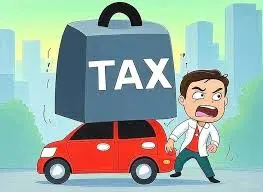
The Emerging Concept of Pay Per Mile Tax
As electric cars surge in popularity, debates surrounding funding for road maintenance and infrastructure improvements have intensified. One proposed solution is the ‘pay per mile’ tax, which aims to levy charges based on the miles driven by vehicles, particularly electric cars that are often exempt from fuel taxes.
Why is Pay Per Mile Tax Important?
Government budgets across various countries have been strained due to dwindling revenue from fuel taxes, as more consumers switch to electric vehicles (EVs). Traditional gas taxes, which were primarily designed to fund road maintenance, are generating less revenue due to a decreasing number of petrol-fueled vehicles on the roads.
The National Road User Charge Pilot, introduced in the UK, seeks to explore this tax method’s viability. Money collected via a per-mile charge could be reinvested into road infrastructure, ensuring sustainable, high-quality transport networks for all vehicles.
Current Developments and Pilot Programs
Various regions, including states in the US and countries in Europe, have initiated pilot programs to test pay-per-mile systems, primarily targeting EVs. In 2023, Oregon launched a comprehensive evaluation aimed at assessing the public’s response to road usage charges based on miles driven. Participants will track their travel using a vehicle-attached device that calculates the distance and charges them accordingly.
Similar initiatives are being woven into budgets, putting recorded telematics at the forefront. For instance, California is also exploring how this could complement its efforts toward transitioning to a greener economy.
Challenges and Concerns
While the potential for a pay per mile tax may seem beneficial for maintaining roadways, there are significant concerns. Privacy issues surrounding vehicle tracking, the complexity of implementation, potential resistance from consumers, and questions of equity for low-income individuals must all be addressed before adopting such a model broadly.
Conclusion: A Balanced Approach Needed
As the transition to electric vehicles accelerates, a pay per mile tax offers a possible solution to lost fuel tax revenues. However, careful consideration must be given to public acceptance and managing the accompanying challenges. With proper planning and transparency, this tax could help sustain crucial infrastructure while promoting eco-friendly transport initiatives. Looking ahead, policymakers will need to navigate these complexities, ensuring a fair system for all road users.
