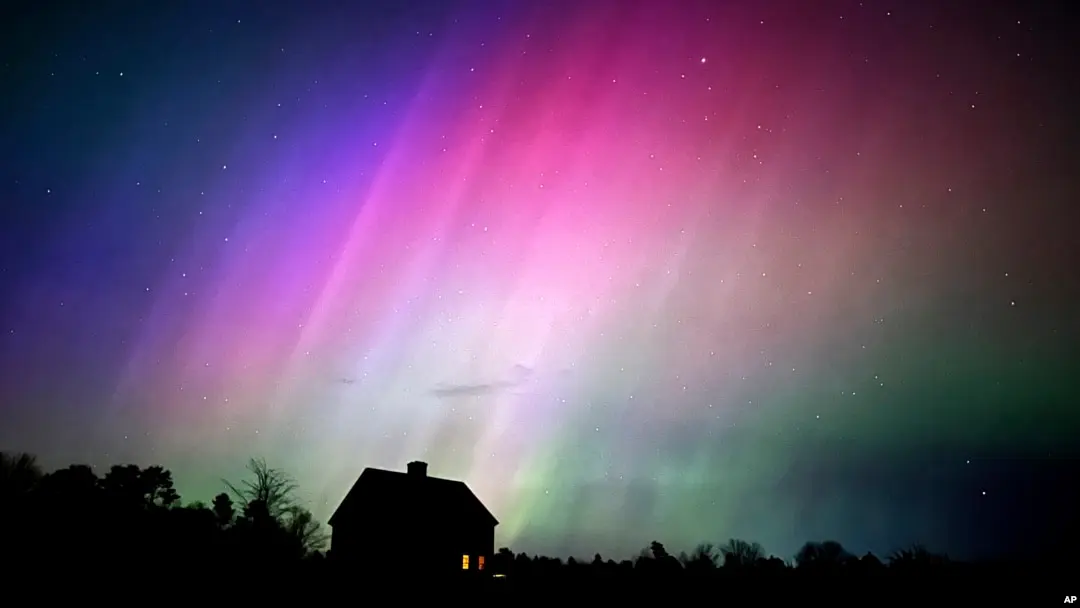
Introduction to Solar Storms and Aurora Borealis
The phenomenon of the Aurora Borealis, or Northern Lights, captivates observers with its vibrant displays of colour across the night skies primarily in the polar regions. This natural spectacle is not just aesthetically remarkable; it is fundamentally tied to solar storms occurring on the Sun. As solar activity increases, the dynamics of Earth’s magnetosphere and atmosphere are dramatically affected, leading to intensified auroral displays. Understanding this connection is essential not only for astronomers but for all of humanity as we become increasingly dependent on technological infrastructure that can be disrupted by such events.
What are Solar Storms?
Solar storms result from the Sun’s activity, which generates bursts of plasma and energetic particles, especially during periods of heightened solar activity known as solar maxima. These storms typically manifest as coronal mass ejections (CMEs) or solar flares, releasing enormous amounts of solar energy. As CMEs travel towards Earth, they interact with our planet’s magnetic field and atmosphere, leading to geomagnetic storms.
The Link to Aurora Borealis
When solar storms strike Earth’s magnetosphere, they can greatly enhance the existing auroral activity. The charged particles emitted by a solar storm collide with atoms in the Earth’s atmosphere, typically around 80–300 kilometers above the surface. This causes the atoms to become energised and emit light, creating the beautiful displays of green, pink, and violet hues that characterise the Aurora Borealis. Scientists have observed that more intense solar events lead to more vivid and widespread auroras.
Recent Solar Activity
In recent months, there have been reports of heightened solar activity, with several strong solar flares noted. For instance, in August 2023, a significant coronal mass ejection was recorded, prompting warnings for potential geomagnetic storms. As a result, many skywatchers across the northern latitudes were treated to stunning views of the Aurora Borealis, with reports coming from places such as Iceland, Norway, and Canada. Such occurrences have renewed public interest in both solar phenomena and the implications for satellite communications and power grids.
Conclusion: The Importance of Monitoring Solar Activity
As our exposure to both solar storms and the resultant auroral displays increases, it becomes crucial to monitor solar activity closely. The unpredictability of solar storms emphasizes the need for improved forecasting technologies that can alert us about potential disruptions in electronic communication systems, GPS, and even power supplies. Developing a deeper understanding of these phenomena not only enriches our appreciation of natural wonders like the Aurora Borealis but also enhances our resilience against the effects of solar storms. Future advancements in solar research may provide more insight into the dynamic relationship between solar activity and Earth’s atmospheric phenomena.
