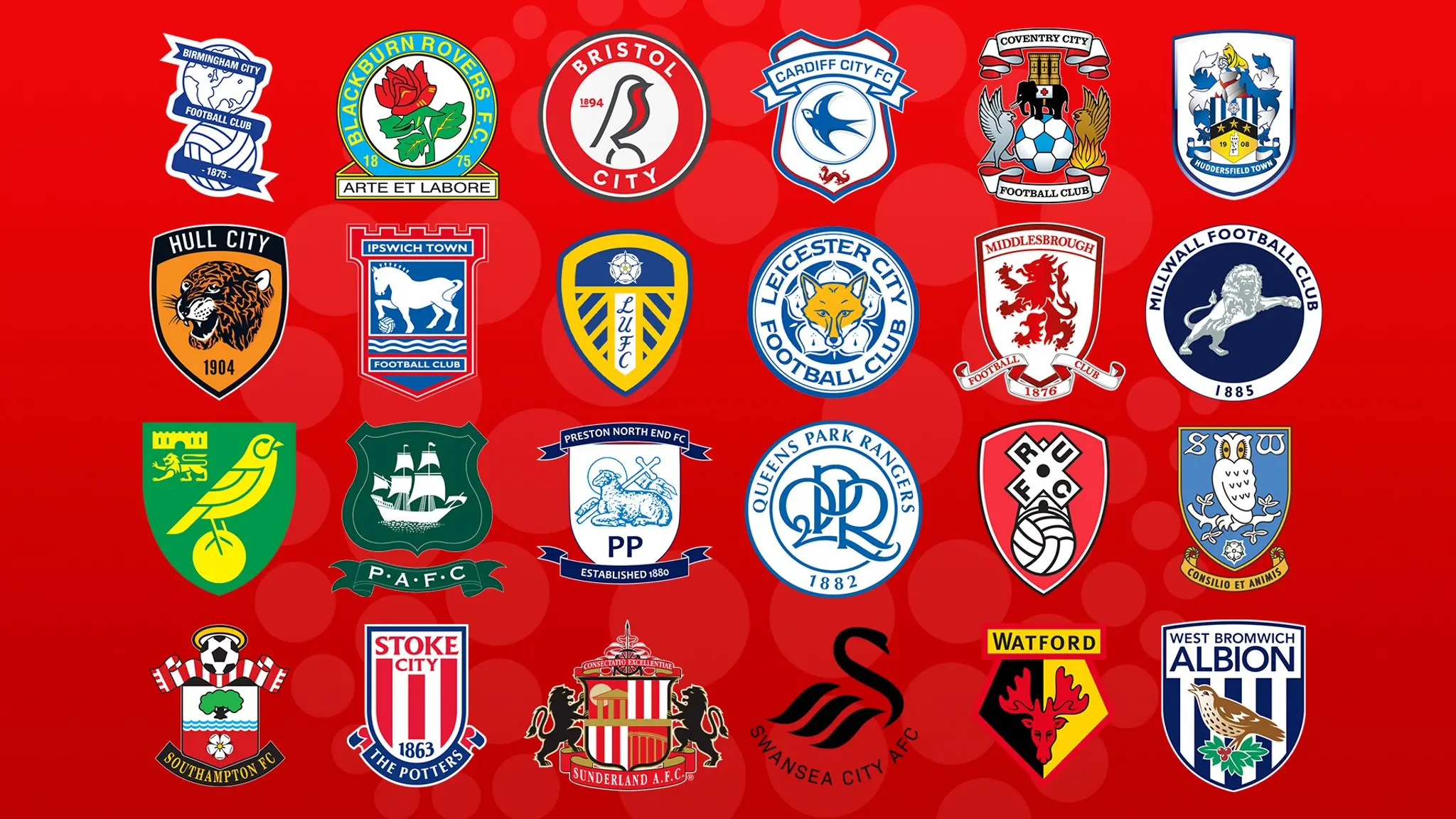
Introduction
Sky Sports, a renowned sports broadcasting platform, plays a significant role in the sports industry’s landscape in the United Kingdom. With its extensive coverage of various sports, including football, rugby, cricket, and motorsport, it captivates millions of fans every year. The channel not only delivers live action but also offers in-depth analysis, interviews, and expert commentary, shaping how sports are consumed in the UK. As the broadcasting landscape evolves, Sky Sports remains at the forefront, adapting to changing viewer preferences and technological advancements.
Main Body
Recent Developments
In 2023, Sky Sports has bolstered its programming lineup with exclusive rights to major sporting events. This includes securing contracts for Premier League football matches, which continue to be a cornerstone of its viewership. The channel has also expanded its coverage of women’s sports, showcasing the growing popularity of women’s football and cricket, which has seen increased investment and attention in recent years. Furthermore, Sky Sports has developed partnerships with various sports leagues to provide comprehensive coverage and promote participation at grassroots levels.
Technological Innovations
In response to the increasing demand for enhanced viewing experiences, Sky Sports has embraced technological innovations. With the launch of the Sky Q platform, customers are offered features like 4K UHD broadcasts and the ability to watch multiple matches simultaneously. The introduction of augmented reality and virtual analysis tools has enriched the viewing experience. Moreover, Sky Sports has capitalised on social media platforms to engage with fans, providing real-time updates, highlights, and expert insights aimed at a digital-savvy audience.
Changes in Subscriber Trends
The evolution of viewer habits in the digital age has also posed challenges to Sky Sports. While traditional cable subscriptions remain robust, there has been a notable shift towards streaming services. In response, Sky has launched a standalone streaming service, allowing sports fans to access live coverage without a traditional TV package. This flexibility aims to cater to younger audiences, who increasingly prefer on-demand content.
Conclusion
Sky Sports continues to be a dominant force in sports broadcasting, maintaining its relevance through innovation and adaptability. As the landscape of sports consumption transforms, the network is poised to evolve with it, ensuring that it meets the needs of its audience. With increasing investments in women’s sports, advanced broadcasting technology, and a responsive approach to viewer preferences, Sky Sports is not just a broadcaster; it is an integral part of the UK’s sporting culture. Looking ahead, the channel’s commitment to quality coverage and viewer engagement will be critical as it navigates the future of sports media.
