Introduction
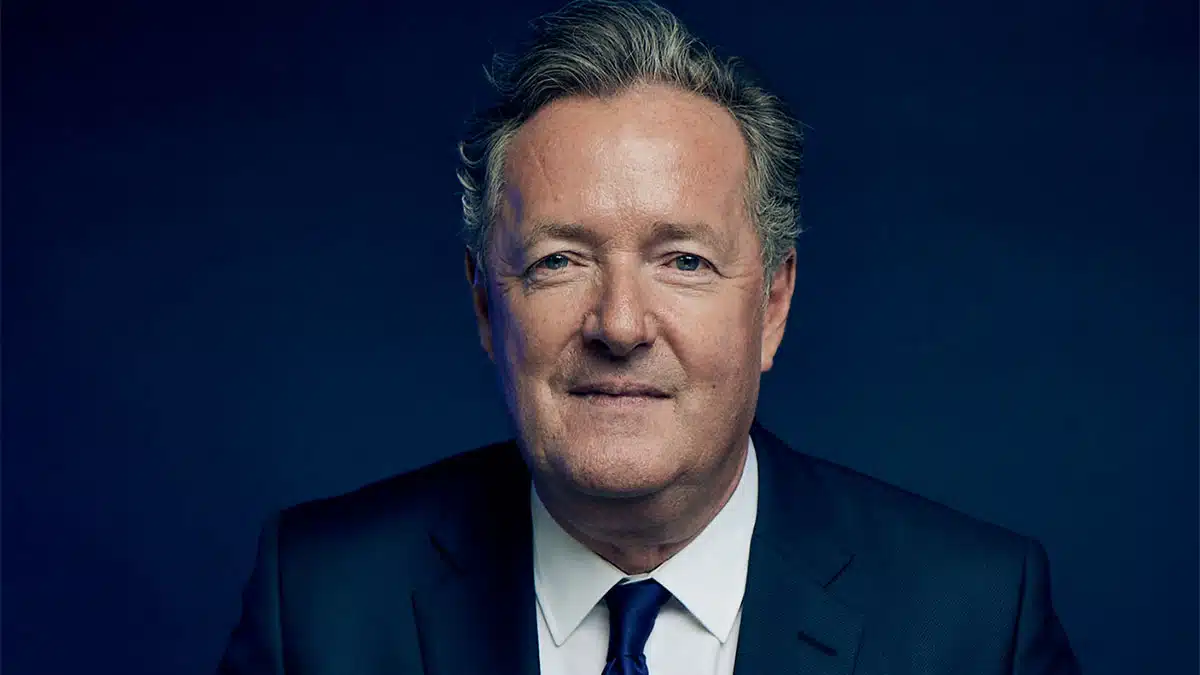
Piers Morgan, a prominent British journalist and television personality, has been a fixture in the media landscape for several decades. Known for his outspoken views and often controversial statements, Morgan has played a significant role in shaping public discourse in the UK. His approach to journalism and commentary has attracted both fervent supporters and vehement critics, making him a compelling figure to follow in contemporary media.
Career Overview
Piers Morgan first gained recognition as a tabloid editor, leading the News of the World and The Daily Mirror in the 1990s. His career took a turn towards television, where he became known for his roles on shows such as The Piers Morgan Show and Britain’s Got Talent. In 2021, he stirred controversy when he left his position on Good Morning Britain after a heated debate about Meghan Markle’s mental health revelations.
Recent Developments
As of late 2023, Piers Morgan has been actively engaged in media discussions surrounding various topics, including freedom of speech, cancel culture, and the role of social media in shaping public opinion. His latest show, Piers Morgan Uncensored, has gained traction for its provocative takes and willingness to confront contentious issues head-on. Morgan’s commentary on global events, particularly related to politics and celebrity culture, continues to attract significant attention and spark heated debates.
Impact on Public Discourse
Morgan’s impact on public discourse is noteworthy. He often brings up topics that others may shy away from, pushing boundaries and challenging prevailing narratives. However, his approach has also led to accusations of sensationalism and polarisation. Critics argue that his style can sometimes contribute to division rather than constructive dialogue. Nonetheless, proponents argue that his willingness to speak his mind brings essential issues to the forefront.
Conclusion
As Piers Morgan continues to navigate the complexities of modern journalism, his influence remains significant. The balance between accountability and freedom of expression is a tightrope that Morgan walks daily, leaving an indelible mark on the media landscape. His future endeavours will undoubtedly continue to provoke conversation and reflection, ensuring that he remains a pivotal figure in shaping the narrative of contemporary society. Readers interested in media, politics, and the evolving nature of public discourse will find Morgan’s commentary particularly relevant.
