Introduction
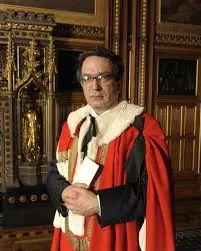
The field of British politics is marked by a myriad of influential figures, and one such prominent personality is Lord Glasman. As a member of the House of Lords and a key advocate for social democracy, Glasman’s impact on recent political discourse is significant, particularly through his contributions to the Labour Party and his ideas surrounding community and economic reform. Understanding his political journey and philosophy is essential for anyone keeping a close watch on the dynamics of UK politics.
Background of Lord Glasman
Lord Glasman, born in 1967, has spent much of his career dedicated to political thought and activism. He was a prominent figure in the Blue Labour movement, which seeks to combine traditional Labour values with a greater focus on community, family, and localism. This movement has gained traction in the party, especially in light of recent shifts in voter demographics and sentiments.
Key Contributions and Ideas
Glasman’s philosophy is rooted in the belief that the state should empower communities and individuals rather than dictate their futures. He argues for a political framework that nurtures local economies and fosters collective responsibility. His work often critiques neoliberal policies and advocates for a return to foundational Labour principles of solidarity and mutual support.
In recent months, Glasman has remained vocal about the challenges facing the Labour Party, particularly as it navigates internal divisions and external pressures such as the cost-of-living crisis and housing shortages. He stresses the importance of a united front, urging party members to re-engage with their traditional bases while also attracting new supporters.
Current Relevance and Impact
The relevance of Lord Glasman’s ideas has surged as the UK grapples with numerous socio-economic issues exacerbated by the pandemic and economic downturn. His insights provide a roadmap for a Labour Party that seeks to resonate with a wider audience while staying true to its core values. Recent polling indicates that voters are increasingly looking for parties that can offer tangible solutions to pressing problems, making Glasman’s emphasis on community and family pertinent.
Conclusion
As Lord Glasman continues to influence the dialogue surrounding the Labour Party and its future, his ideas about community engagement and economic reform remain critical. Observers of UK politics should pay close attention to his trajectory and the potential implications his philosophies may have on upcoming elections. If the Labour Party adopts his recommendations, it may well redefine its approach to governance and voter engagement for years to come, positioning itself as a proactive force for social change in a turbulent political climate.
