Introduction
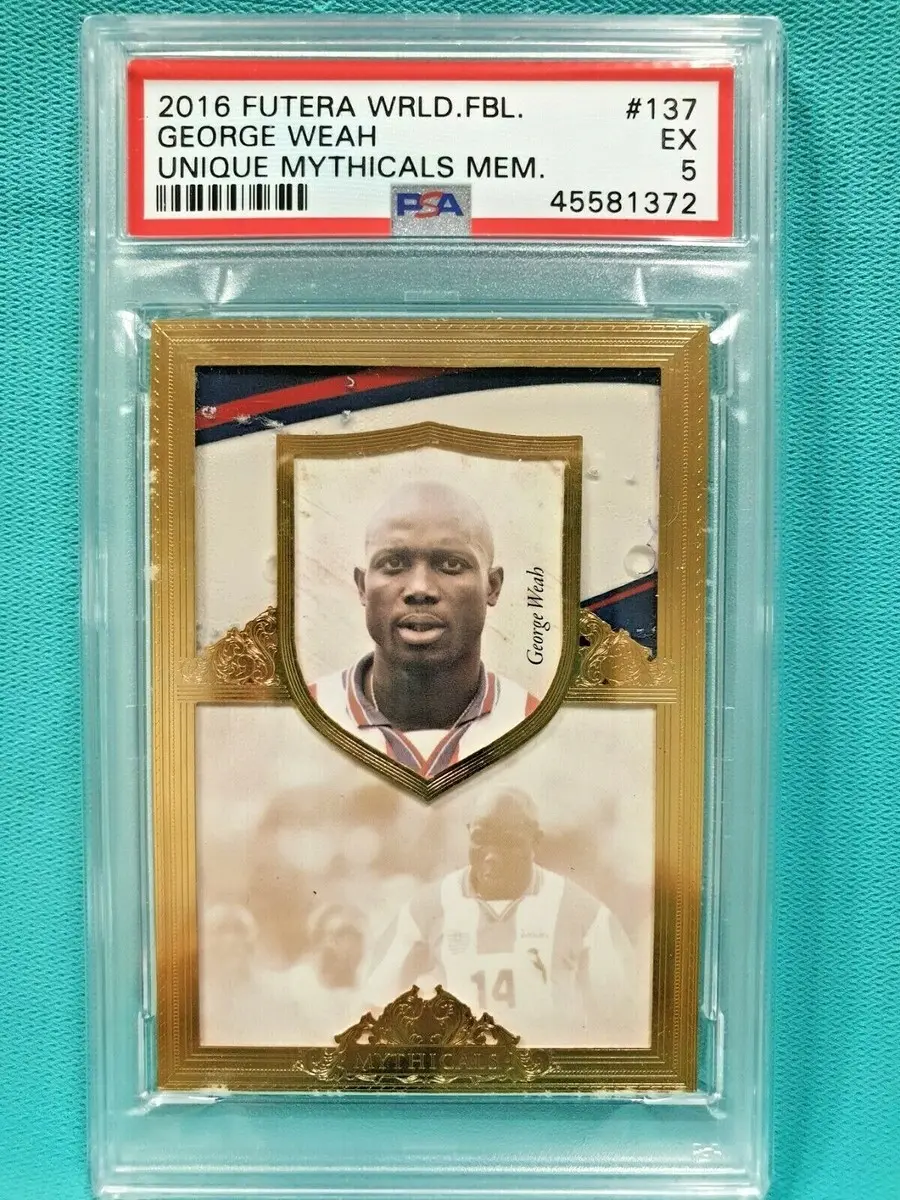
George Weah, the current President of Liberia, is a significant figure in both the sports and political arenas. As a former professional footballer, Weah is widely regarded as one of the best players to have ever come from Africa and has transitioned into a political powerhouse. His rise from humble beginnings to the presidency highlights not just his athletic prowess but also his determination to effect change in Liberia, a country with a tumultuous history. Understanding his impact on Liberia is essential, considering the various challenges the nation faces today.
The Early Life and Football Career of George Weah
Born on October 1, 1966, in Monrovia, Liberia, George Weah faced numerous hardships during his early life. He moved to the United States in the 1980s to pursue a career in football, where he would eventually play for prominent clubs like Monaco, Paris Saint-Germain, and AC Milan. His exceptional talent on the pitch led him to win prestigious awards, including the FIFA World Player of the Year in 1995, making him the first and only African player to earn this accolade.
The Transition to Politics
After retiring from football, Weah returned to Liberia, where he became involved in politics. In 2005, he contested in the presidential elections but was narrowly defeated. However, he did not give up on his political ambitions and continued to build a following, particularly among the youth. His dedication culminated in a successful run for the presidency in 2017, where he was elected on a platform promising reform and economic development.
Presidency and Challenges
Since taking office, President Weah has faced several challenges, including economic downturns, corruption, and the persistent impacts of the Ebola crisis. His administration has made strides in areas such as education and infrastructure, but many critics argue that progress has been slow. Recently, Weah has appealed to international partners for assistance to elevate Liberia’s economy and improve living conditions for its citizens.
Conclusion
George Weah’s journey from a football legend to the President of Liberia exemplifies resilience and a commitment to national development. As he continues to confront the varied challenges facing Liberia, the hope is that his leadership will inspire economic growth and social cohesion. As the country approaches the next elections in 2023, the performance of Weah and his administration will be under scrutiny, holding significant implications for Liberia’s future. Readers should stay informed about his initiatives and the evolving political landscape, as Weah’s leadership remains vital for Liberia’s progress.
