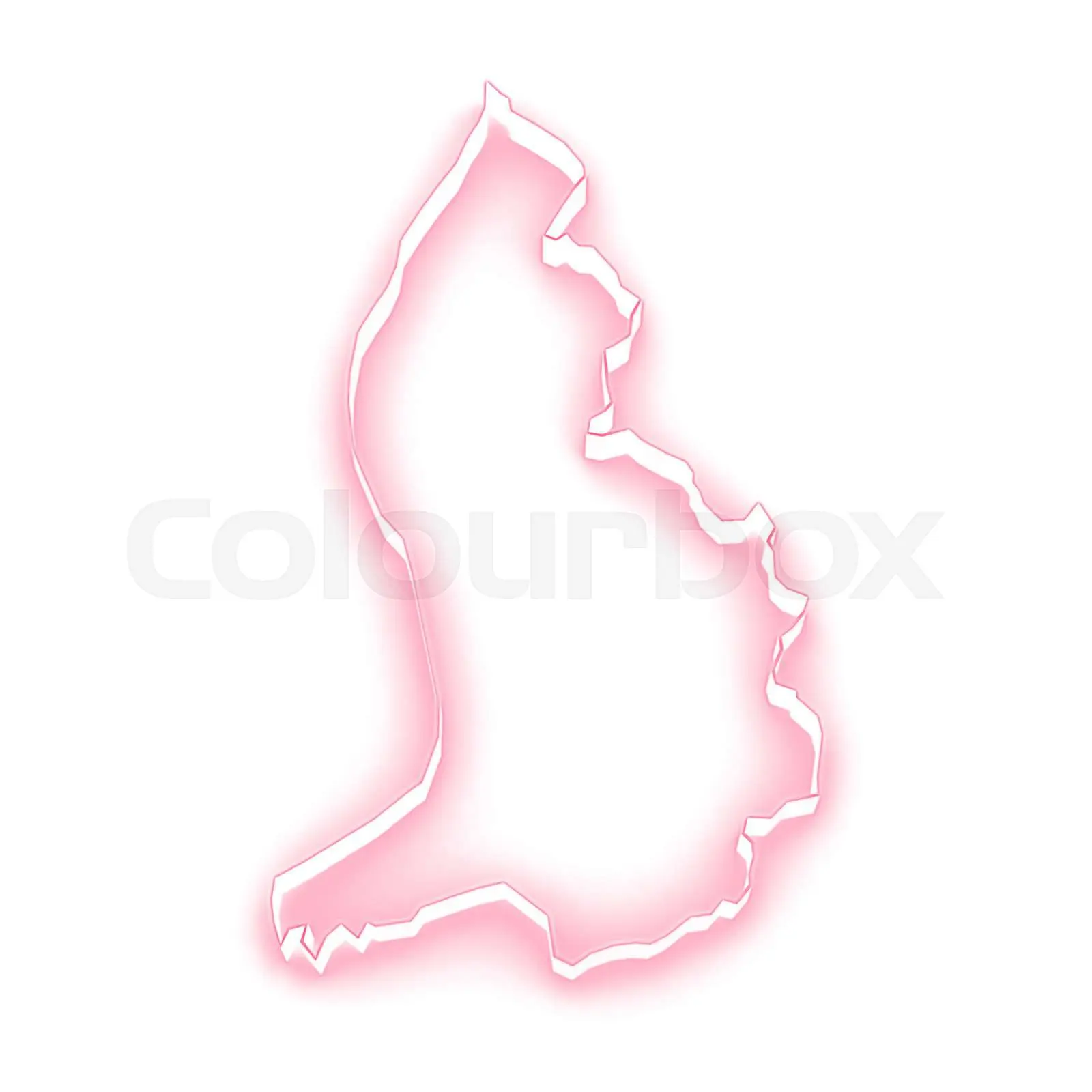
Introduction
Liechtenstein, a small yet fascinating principality located between Switzerland and Austria, stands out as one of Europe’s hidden gems. Despite its modest size, Liechtenstein boasts a rich history, stunning landscapes, and a strong economy. Its unique political structure and cultural offerings make it a point of interest for tourists and scholars alike.
The Geographic and Cultural Significance
Covering just 160 square kilometres, Liechtenstein is the sixth smallest country in the world. Yet, its geographical location provides it with a strategic advantage, enhancing its appeal as a hub for business and tourism. The capital, Vaduz, is known for its historic castle and vibrant local culture. The people of Liechtenstein are proud of their heritage, celebrating a unique blend of Germanic traditions and modern influences.
Economic Resilience
Despite its size, Liechtenstein has a robust economy largely driven by a strong financial sector, which includes banking and investment services. According to the latest reports, the country has one of the highest GDP per capita in the world, a testament to its successful economic policies. Recent initiatives, such as promoting sustainable development and diversifying its economic base, are expected to bolster growth in the coming years.
Tourism in Liechtenstein
Tourism is a vital part of Liechtenstein’s economy, attracting visitors with its breathtaking Alpine scenery and numerous outdoor activities. Hiking, skiing, and mountain biking are popular amongst both locals and tourists. Sites like the Gutenberg Castle and the Liechtenstein National Museum provide visitors with insights into the country’s rich history and culture. Recent events have seen an increase in international tourism, especially following the easing of COVID-19 travel restrictions. The government has launched campaigns to promote its attractions, with an aim to boost post-pandemic recovery.
Conclusion
Liechtenstein, while small, plays an influential role in Europe both economically and culturally. As it navigates the challenges of a rapidly changing world, the principality is poised for continued growth and development. Its unique combination of scenic beauty, economic resilience, and cultural depth makes it a significant destination for those looking to explore the less traditional aspects of Europe. Future forecasts suggest that as awareness and tourism increase, Liechtenstein will continue to thrive and maintain its status as a leading example of success in small-state governance.
