Introduction
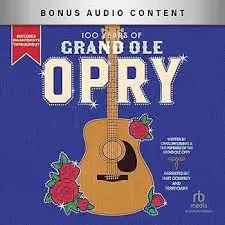
The Grand Ole Opry, an iconic stage in Nashville, Tennessee, has been a cornerstone of country music since its inception in 1925. Recognised not only as a concert venue but also as a cultural institution, it has hosted generations of artists and has significantly shaped the genre’s evolution. As the longest-running radio broadcast in US history, the Opry remains a vital part of Nashville’s identity and continues to attract visitors from around the globe.
A Brief History
The Grand Ole Opry began as a simple radio programme on WSM radio featuring live country music performances. It was initially known as the ‘WSM Barn Dance’. Under the visionary leadership of George D. Hay, the show transformed into the Grand Ole Opry, taking on a more formalised structure and eventually moving to the Ryman Auditorium in 1943. This historic venue became synonymous with the Opry’s legacy, hosting legendary performers including Johnny Cash, Dolly Parton, and Loretta Lynn.
Current Events and Impact
Today, the Grand Ole Opry has a permanent home at the Opry House, which opened in 1974. With a seating capacity of 4,400, it hosts performances every weekend, showcasing both established and emerging artists. Notably, the Opry has embraced modern technology, streaming performances online and expanding its reach beyond traditional audiences. In recent years, the Opry has incorporated a mix of genres, inviting artists from various musical backgrounds, thereby reinforcing its commitment to inclusivity within the realm of music.
Significance in Country Music and Culture
The Opry stands as a beacon of tradition in country music, establishing the format of live entertainment that many artists aspire to replicate. It serves not only as a platform for performers but also as a cultural experience for fans. Major events, such as the annual Grand Ole Opry Birthday Bash, draw significant crowds and spotlight the venue’s ongoing relevance. Furthermore, the Opry has committed to charitable efforts, including disaster relief and community outreach programmes, showcasing its dedication to giving back.
Conclusion
As the Grand Ole Opry continues to celebrate its rich history while pushing forward into the future, it remains an essential part of the musical landscape of America. With an enduring legacy and a commitment to showcasing a diverse array of talent, the Opry not only preserves the heritage of country music but also nurtures its ongoing evolution. Whether it’s through in-person shows or online broadcasts, the Grand Ole Opry will continue to capture the hearts of music lovers around the world.
