Introduction
‘Kill Bill: The Whole Bloody Affair’ is an iconic film by Quentin Tarantino that has captivated audiences since its split release in two parts in 2003 and 2004. This film showcases Tarantino’s unique storytelling style and his ability to blend genres, making it a significant entry in contemporary cinema. With its recent resurgence in discussions among film enthusiasts, understanding its significance is timely and relevant.
Main Body
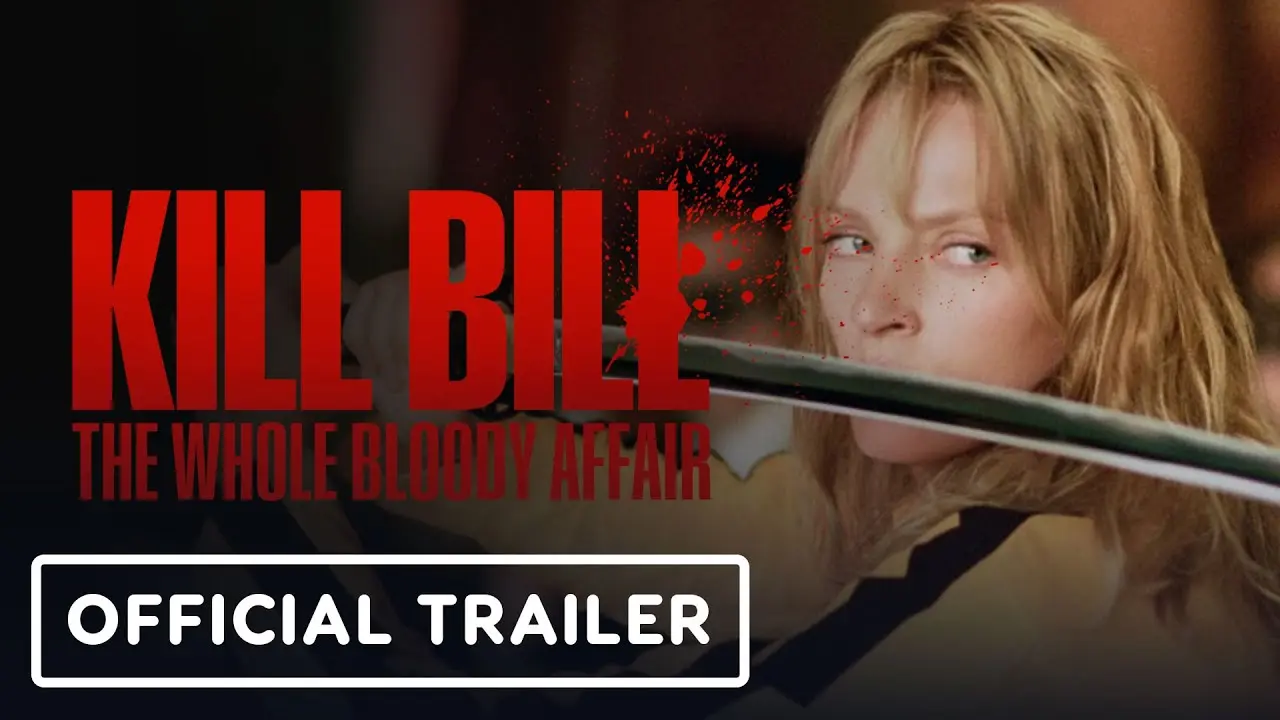
‘Kill Bill’ follows the story of Beatrix Kiddo, also known as ‘The Bride’, played by Uma Thurman, who seeks revenge on the team of assassins who betrayed her. Initially released in two volumes, ‘Kill Bill: Volume 1’ and ‘Kill Bill: Volume 2’, the film was a thrilling mix of styles, ranging from martial arts to spaghetti westerns, complemented by a stunning soundtrack. The combined version, ‘Kill Bill: The Whole Bloody Affair’, aims to present the narrative in a cohesive format, reflecting Tarantino’s original vision.
In 2021, ‘Kill Bill: The Whole Bloody Affair’ was shown at several film festivals and special screenings, generating fresh interest among a new generation of viewers. The film features stylistic elements such as vibrant colour palettes, dramatic fight choreography, and non-linear storytelling. These features are characteristic of Tarantino’s work, appealing to both critics and fans alike.
Critically, ‘Kill Bill: The Whole Bloody Affair’ has earned its place in cinematic history due to its unique blend of homage and innovation. Its impact on popular culture includes references in other films and television shows, making it a study of influence and popularity in the modern film landscape.
Conclusion
As audiences revisit ‘Kill Bill: The Whole Bloody Affair’, it’s clear that the film continues to resonate with themes of revenge, betrayal, and identity. Tarantino’s ability to encapsulate visceral storytelling is a talking point that scholars and film buffs are likely to analyse for years to come. The film’s recent screenings signify not only its lasting appeal but also its significance as a cultural touchstone. Future generations of filmmakers and fans will undoubtedly draw inspiration from its stylistic bravado, assuring its place as a classic film for years to come.
