Introduction
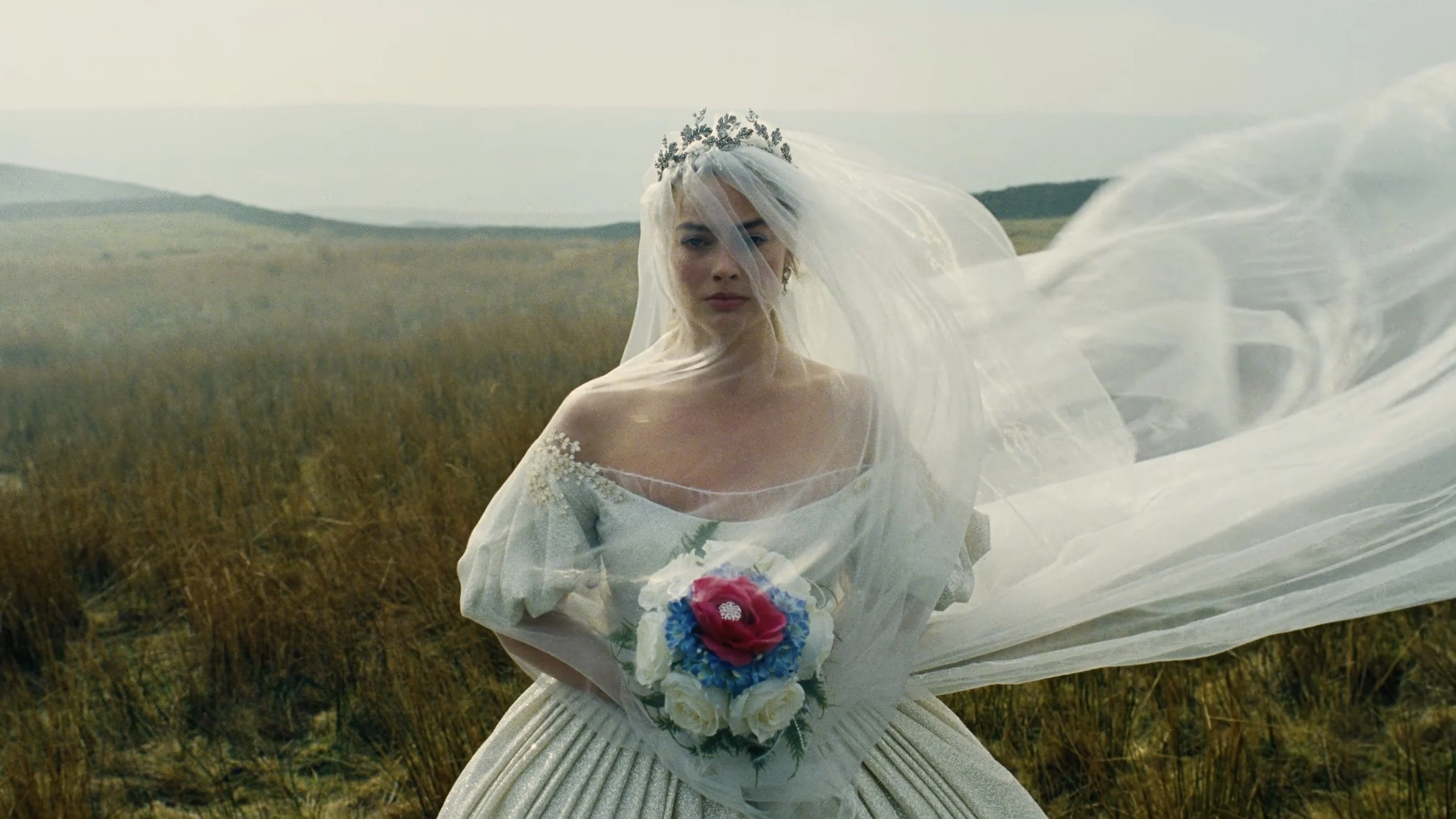
Wuthering Heights, the classic novel by Emily Brontë, has been adapted into film and television numerous times since its publication in 1847. The story, steeped in themes of passion, revenge, and the supernatural, holds a significant place in literary history, making its cinematic adaptations an important subject of exploration. From the moody atmospheres to the tumultuous relationships depicted, the film adaptations of Wuthering Heights serve not only as entertainment but also as a reflection of cultural perceptions of the text over time.
History of Film Adaptations
The first significant film adaptation of Wuthering Heights occurred in 1939, featuring Laurence Olivier as Heathcliff and Merle Oberon as Cathy. This version is often praised for its haunting score and dramatic cinematography, although it takes liberties with the novel’s plot. Subsequent adaptations have varied in their fidelity to Brontë’s original text; notable versions include the 1970 film starring Timothy Dalton and Anna Calder-Marshall and the 1992 rendition featuring Ralph Fiennes and Juliette Binoche.
In more recent years, the 2011 adaptation by Andrea Arnold received acclaim for its raw, visceral approach, showcasing the rugged Yorkshire landscape as a character in itself. Arnold’s interpretation focuses on the emotional intensity of the characters, offering a fresh perspective on the classic tale.
Impact on Literature and Culture
The film adaptations of Wuthering Heights have contributed to the novel’s ongoing relevance in popular culture. Each retelling brings its own nuances, often reflecting contemporary societal issues or artistic directions. For example, the 2011 film was noted for its feminist undertones, presenting Cathy as a more assertive character. This evolution demonstrates how adaptations can serve as a lens through which modern audiences can view timeless stories.
Conclusion
In conclusion, film adaptations of Wuthering Heights offer a fascinating insight into how the classic narrative is reinterpreted through different cultural lenses. As filmmakers continue to approach Brontë’s work, audiences are reminded of the novel’s enduring themes of love and despair. The significance of these adaptations lies not only in their artistic merit but also in their ability to keep the discussions around the original text alive in contemporary dialogues. Future adaptations are likely to further explore the depths of Brontë’s complex characters, ensuring that Wuthering Heights remains a vital part of literary and cinematic discourse.
