The Significance of Frankenstein
Mary Shelley’s “Frankenstein”, published in 1818, is often hailed as one of the earliest examples of science fiction. Its exploration of humanity, scientific ethics, and the consequences of playing God resonates profoundly in today’s age of rapid technological advancement. As we approach 2025, the relevance of Shelley’s themes appears even more pivotal in understanding our relationship with technology.
Current Interpretations and Adaptations
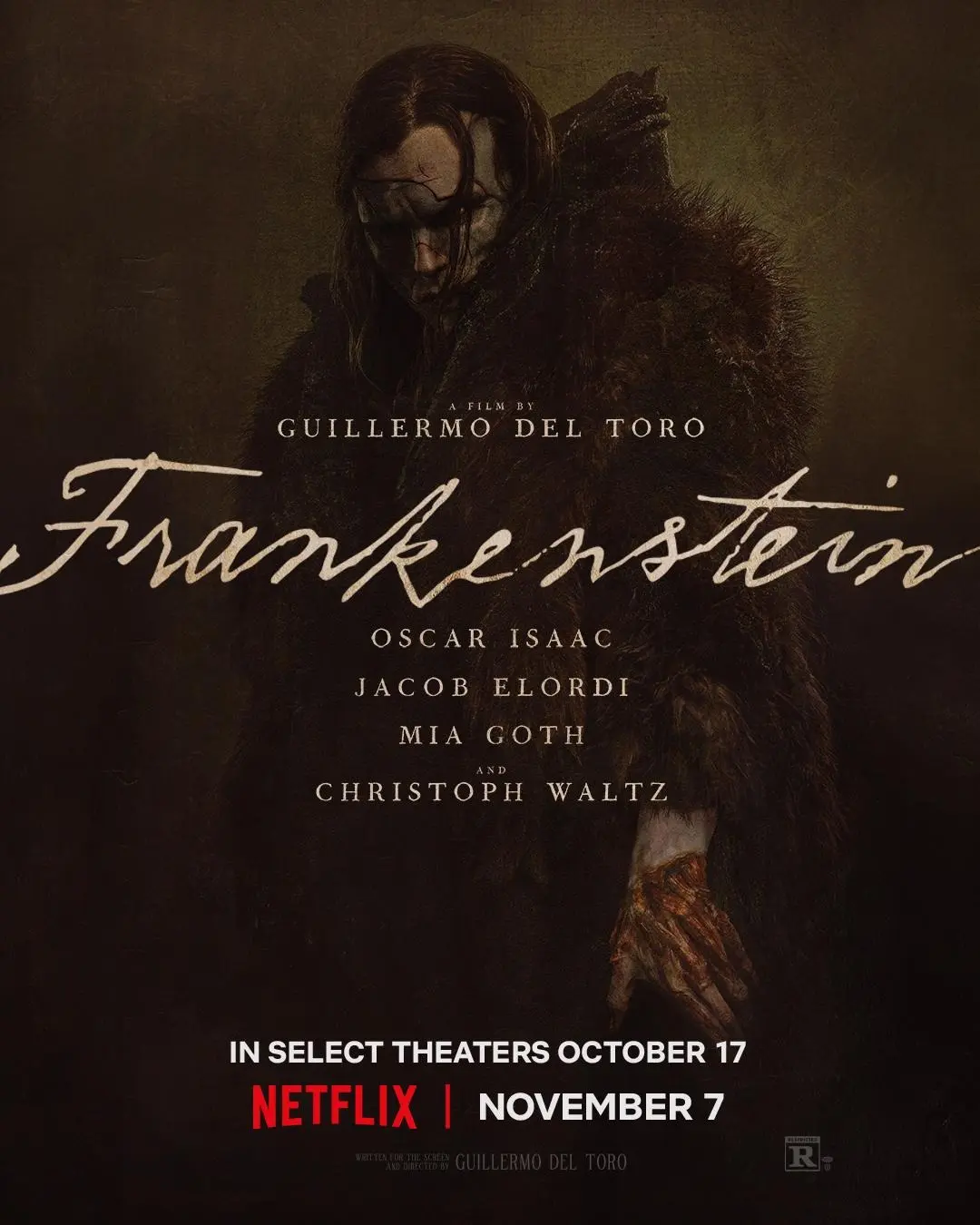
As we near the anniversary of “Frankenstein”, contemporary interpretations are emerging that reflect the societal concerns of our time. The upcoming 2025 adaptations are expected to delve deeper into issues such as artificial intelligence, bioengineering, and the ethical dilemmas faced by modern scientists. Notably, several film productions and literary adaptations are set to explore what it means to create life in an era dominated by digital innovation.
Technological Advancements and Cultural Reflections
The concepts explored in “Frankenstein” are finding parallels in today’s advancements. In recent years, discussions on AI’s capabilities have ignited debates about the ethical implications of creating sentient beings. The implications of AI in decision-making, healthcare, and even creative arts are reminiscent of the creature’s struggles between societal rejection and the thirst for acceptance and understanding. Indeed, as technological capabilities grow, so does the urgency to address the moral responsibilities tied to these advancements.
Significance for the Future
The anniversary and theme of Frankenstein 2025 present an opportunity for society to reflect on the potential consequences of unchecked scientific exploration. As we assimilate more AI technologies into everyday life—whether in healthcare, autonomous vehicles, or robotics—the lesson from Shelley’s narrative resonates: we must consider the repercussions of our creations. The discussions surrounding “Frankenstein” continue to inspire dialogues in ethics, philosophy, and science.
Conclusion
As we prepare for 2025, the enduring legacy of Mary Shelley’s “Frankenstein” challenges us to critically evaluate our trajectory in technology. While advancements promise immense benefits, they require responsible stewardship to prevent the fate of Frankenstein’s creature—a poignant reminder of our obligation to ensure that progress does not come at the cost of our humanity. As we embrace the future, let us heed the powerful themes of this classic tale and engage in conversations that shape a responsible and ethical technological landscape.
