The Importance of Guatemala
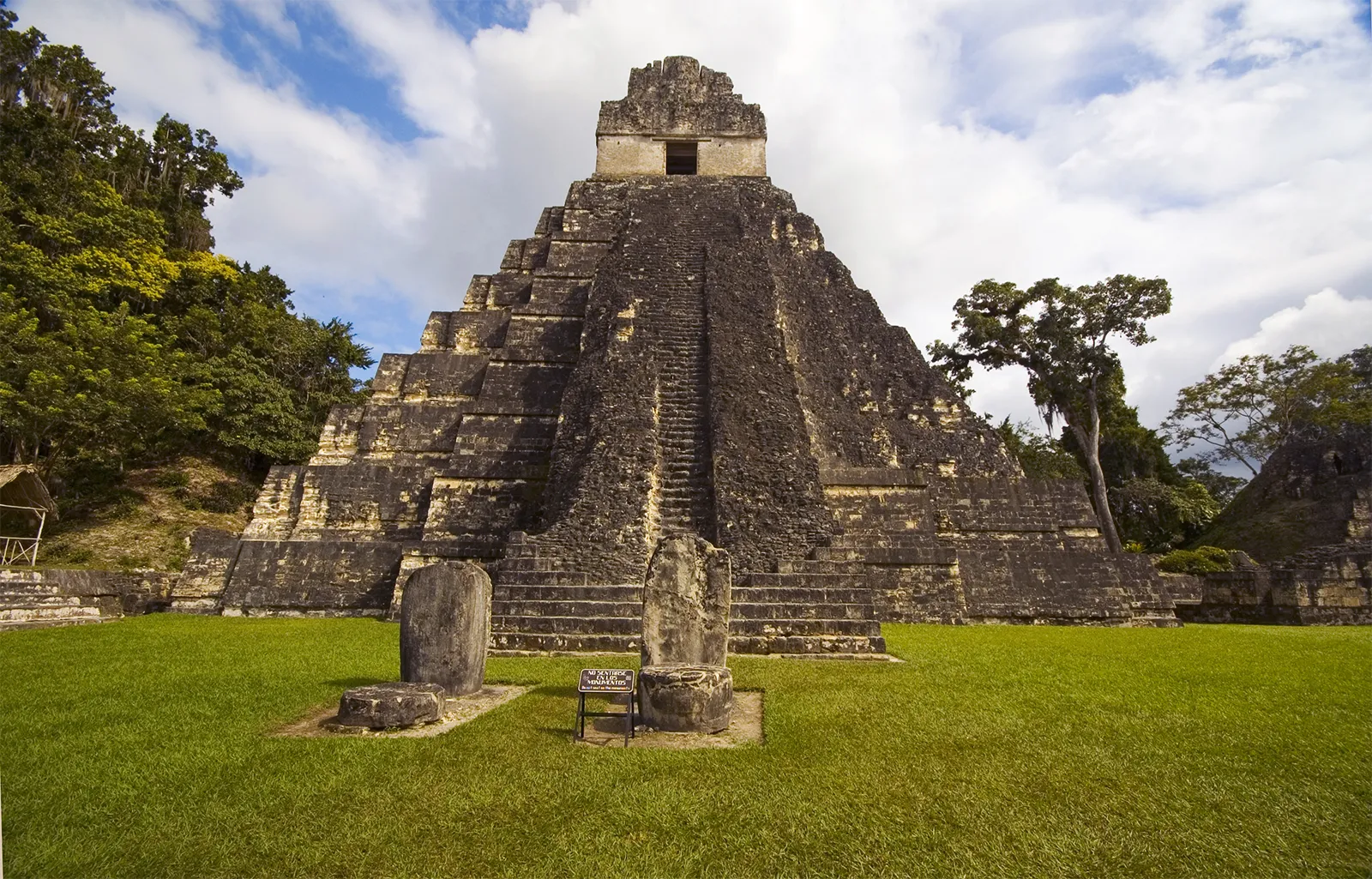
Guatemala, located in Central America, boasts a rich history that dates back thousands of years with its stunning Mayan ruins and vibrant cultures. As the most populous country in Central America, understanding its current socio-economic and political landscape is vital for comprehending broader regional dynamics and its cultural heritage.
Recent Developments
In recent months, Guatemala has been in the spotlight due to various significant events. In the political arena, the 2023 general elections were held on June 25, leading to the election of Bernardo Arévalo, who won against former First Lady Sandra Torres. His victory, noted for its progressive platform, signifies a potential shift towards addressing corruption and poverty, which have historically plagued the nation.
The Arévalo administration is expected to focus on improving social services, tackling corruption, and enhancing the rule of law. His administration’s approach is seen as a beacon of hope among a population weary from years of governmental issues.
Socio-Economic Challenges
Despite the political optimism, Guatemala faces significant socio-economic challenges. Approximately 58% of the population lives below the poverty line, with indigenous communities disproportionately affected. Lack of access to quality education and healthcare contributes to the ongoing cycle of poverty.
The COVID-19 pandemic further exacerbated existing weaknesses in the economy, leading to increased unemployment and food insecurity. Recent government initiatives aimed at economic recovery and social development are essential for reversing these trends.
Cultural Significance
Guatemala is also home to a wide range of cultural expressions, from its colourful textiles and traditional cuisine to its annual festivals, reflecting the diverse heritage of its people. The preservation of Mayan culture remains significant amid globalisation and modern challenges.
Looking Ahead
The future of Guatemala holds the promise of both challenge and opportunity. As Bernardo Arévalo’s administration commences, the hopes are high for tackling deep-rooted issues that affect economic stability and social cohesion. Continued attention to Guatemala from international communities may aid in fostering development and improving the lives of its citizens.
For readers tracking developments in Central America, Guatemala serves as a critical case study on the intersection of politics, culture, and economics in shaping the future of nations.
