Introduction
First cousin marriage, defined as the union between individuals who share a set of grandparents, has been a topic of considerable discussion worldwide. While it is a common practice in some cultures, in many others it remains controversial due to genetic and social implications. Understanding the nuanced perspectives on first cousin marriage is crucial as it sheds light on cultural diversity, legal frameworks, and public health discussions.
Cultural Acceptance
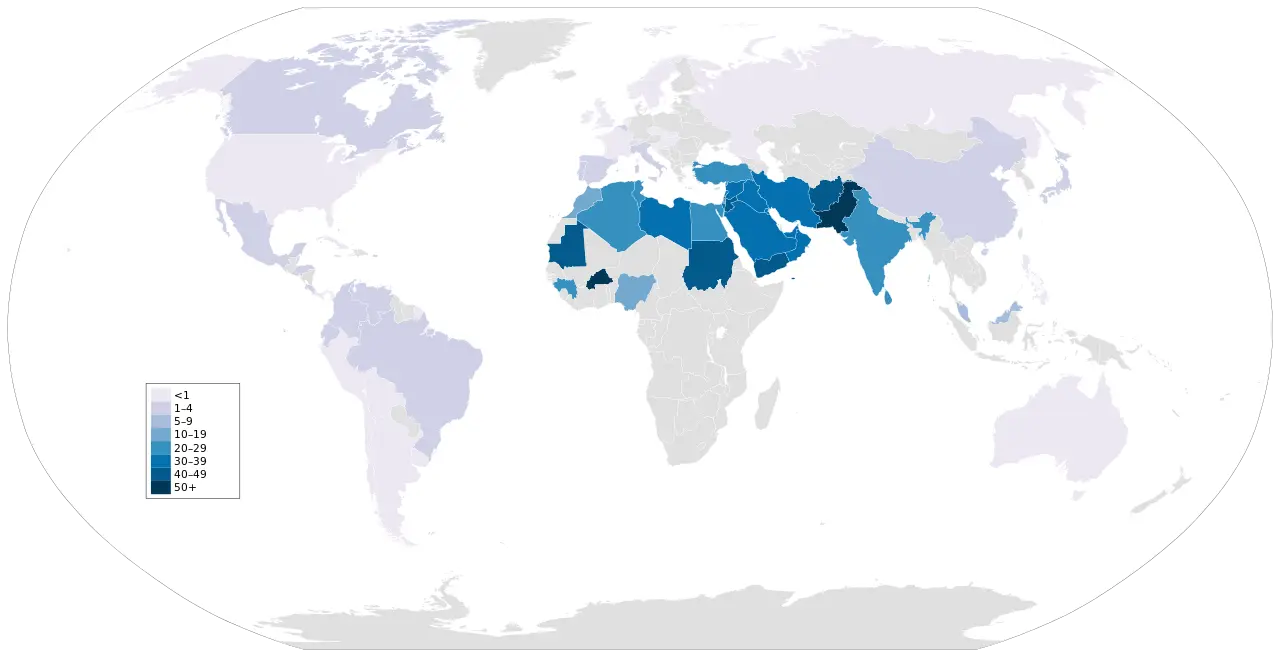
In numerous societies, particularly in the Middle East, North Africa, and parts of South Asia, marrying a first cousin is a traditional practice often seen as a way to strengthen family ties and consolidate wealth. Reports indicate that approximately 10% to 15% of marriages in countries like Pakistan and Afghanistan occur between first cousins. Such marriages are sometimes preferred as families believe they maintain cultural continuity and enhance familial loyalty.
Legal Perspectives
Legal stances on first cousin marriage vary significantly around the globe. In the United Kingdom, it is legal for first cousins to marry, a stance grounded in historical and cultural context. However, this is not universal; many countries, including several US states, prohibit cousin marriages based on concerns over potential genetic health issues in offspring. It is estimated that children of first cousins are at a higher risk for genetic disorders, with studies suggesting a risk of 4-7% compared to a 3% risk for the general population.
Health Implications
Public health experts often debate the risks associated with first cousin marriages. Genetic counselling is advised in cases where couples are closely related, as risks for congenital anomalies and hereditary conditions can increase. Despite this, some experts argue that with proper awareness and testing, risks can be effectively managed. Education around genetics is essential, especially in regions where such marriages are common.
Challenges and Controversies
First cousin marriages often face opposition from various fronts, including public health professionals, ethicists, and legal advocates. Critics argue that the potential health risks associated with these unions necessitate stringent regulations and awareness campaigns to inform the public. Conversely, proponents highlight the cultural significance and personal freedoms associated with these marriages, urging for a more understanding and less judgmental approach to the subject.
Conclusion
The practice of first cousin marriage remains deeply rooted in cultural contexts and continues to evoke strong opinions. As societies evolve and genetic science progresses, the conversation around first cousin marriage will likely continue to develop, balancing cultural traditions against health implications. For individuals considering cousin marriage, seeking genetic counselling and understanding both cultural and legal frameworks is paramount in making informed choices.
