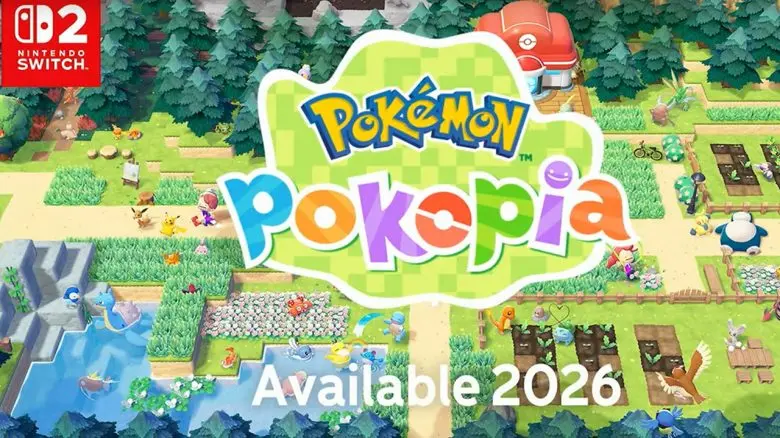
Introduction to Pokopia
In recent months, the trend of Pokopia has captured the attention of communities globally. This new phenomenon, which combines elements of food, art, and shared experiences, is not just a passing fad but a significant cultural movement that fosters connection and collaboration among participants. The relevance of Pokopia can be attributed to its ability to unite diverse groups around common interests, making it a topic worthy of exploration.
What is Pokopia?
Although still emerging, Pokopia can be described as a community-driven event where individuals gather to enjoy local food, participate in art workshops, and engage in discussions focusing on social issues. Originating from grassroots initiatives, its name is derived from a combination of popular elements found within community gatherings—’poko’ for flavourful dishes and ‘pia’ for spirited camaraderie.
Recent Events and Developments
The first large-scale Pokopia festival took place in September 2023 in London’s vibrant Shoreditch area, drawing in thousands of visitors. Participants were treated to an eclectic mix of cultural cuisine from street food vendors, interactive art installations, and engaging conversations led by local leaders addressing topics like sustainability and community resilience. Social media buzz around the event amplified its reach, generating discussions about the need for community-centric practices in urban settings.
Following the success in London, several other cities, including Manchester and Bristol, have started planning their own Pokopia events. Local councils are supporting these initiatives, recognising the value of fostering community spirit and promoting local businesses.
The Significance of Pokopia
The Pokopia movement represents a shift towards valuing community connections in a world often characterised by digital interactions. It serves as a reminder that food and cultural expressions can thrive in physical spaces, leading to a stronger sense of belonging among participants.
Conclusion and Future Outlook
As we look ahead, Pokopia has the potential to evolve beyond mere gatherings into a recurring cultural touchstone within cities striving to enhance community engagement. The continued interest in such events suggests that as society becomes more globalised, local practices will become increasingly vital in maintaining cultural identities. For participants, engaging with Pokopia may offer an enriching experience that not only delights the palate but also fosters a sense of community and shared purpose.
