Introduction
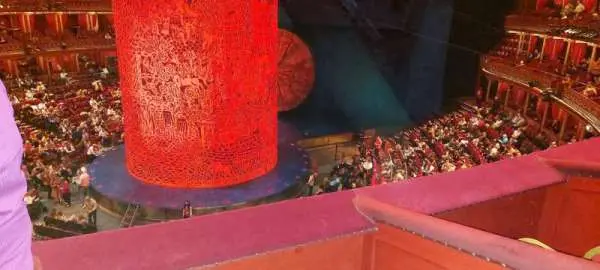
The Royal Albert Hall, an iconic concert venue located in London, serves as a pivotal landmark in the music and cultural scene of the United Kingdom. Opened in 1871, it has hosted an array of significant events, from classical music concerts to contemporary performances, embodying the nation’s artistic heritage. The importance of the Royal Albert Hall extends beyond its beautiful architecture; it represents a historical commitment to celebrating arts and culture.
A Rich History
Commissioned by Prince Albert in memory of his wife, Queen Victoria, the Royal Albert Hall was designed by architect Francis Fowke and has a seating capacity of around 5,272. Its distinctive circular shape and glass-and-iron dome make it one of London’s most recognisable buildings. Throughout its history, the hall has been a stage for many world-renowned musicians and orchestras, including the London Philharmonic, the Royal Liverpool Philharmonic Orchestra, and host of the annual BBC Proms.
Recent Developments
In recent years, the Royal Albert Hall has embraced modernization without compromising its historic charm. The 2023 season has already seen a remarkable line-up of performances across various genres. High-profile collaborations include concerts featuring acclaimed artists like Elton John and Andrea Bocelli. Additionally, the Hall has expanded its engagement with younger audiences through educational programmes aiming to instil a passion for music and the arts.
Significance for the Community
Beyond hosting concerts, the Royal Albert Hall continues to play a significant role in cultural exchange and community engagement. Its outreach programmes have provided opportunities for schools and local communities to experience the venue’s rich artistic offerings. In 2023, initiatives aimed at promoting diversity in the arts have highlighted the Hall’s ongoing commitment to inclusivity.
Conclusion
As the Royal Albert Hall continues to evolve, its significance as a cultural epicentre remains steadfast. With a varied schedule that reflects the ever-changing landscape of the performing arts, it invites both loyalty from its seasoned patrons and curiosity from newcomers. The Royal Albert Hall is not just a venue; it is a symbol of the UK’s enduring passion for music and culture, promising to leave an indelible mark on future generations.
