Introduction
Bipolar disorder, a mental health condition characterised by extreme mood swings, is a significant health concern impacting millions globally. It manifests as periods of intense emotional states, ranging from highs (mania or hypomania) to lows (depression). Understanding bipolar disorder is crucial not only for those diagnosed but also for society as awareness can lead to better stigma reduction and support for individuals living with the condition.
Current Statistics
According to the National Health Service (NHS) in the United Kingdom, approximately 1 in every 100 people will experience bipolar disorder at some stage in their lives. This translates to hundreds of thousands of individuals who may struggle with the condition silently. The World Health Organization (WHO) has highlighted mental disorders, including bipolar disorder, as a significant contributor to the global disease burden, affecting work, relationships, and overall quality of life.
Symptoms and Diagnosis
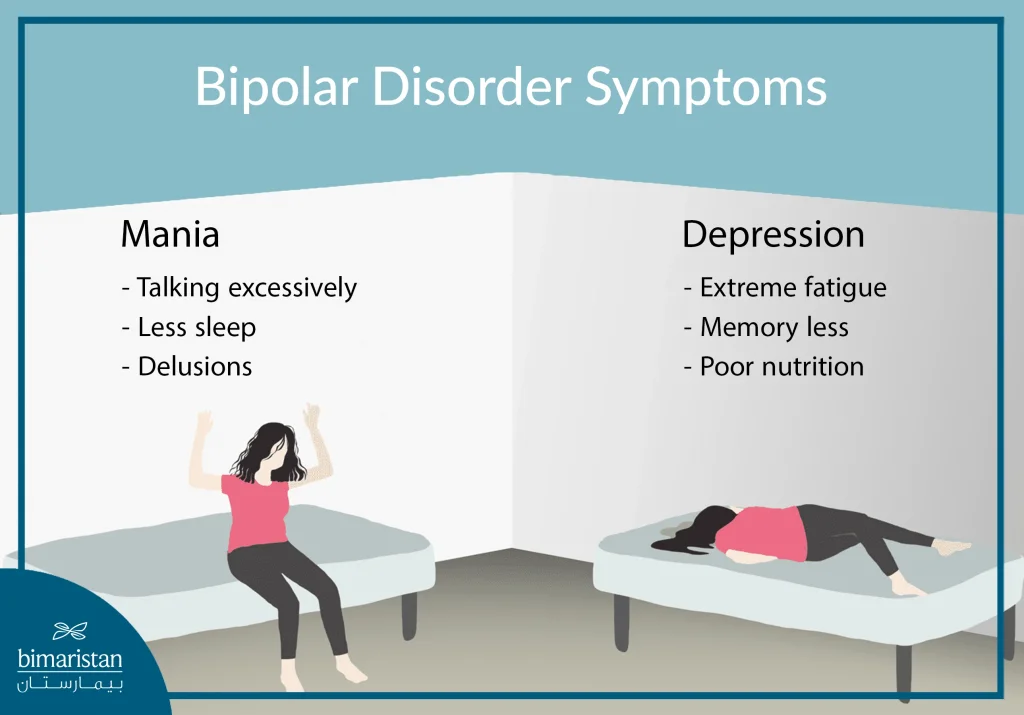
Bipolar disorder is classified into several types, including Bipolar I, Bipolar II, and Cyclothymic Disorder. Symptoms vary significantly based on the phase of the disorder. During manic episodes, individuals may exhibit increased energy, reduced need for sleep, racing thoughts, and impulsive behaviour. In contrast, depressive episodes may lead to feelings of hopelessness, fatigue, and a loss of interest in daily activities. Diagnosis typically involves a thorough review of symptoms and mental health history by a professional, often requiring careful monitoring over time.
Treatment Options
While there is currently no cure for bipolar disorder, effective treatment plans can help manage symptoms. First-line treatments often include mood stabilisers and antipsychotic medications, which are crucial in regulating mood swings. Additionally, psychotherapy, such as cognitive behavioural therapy (CBT), can provide individuals with coping strategies and tools for managing their condition. The NHS continues to advocate for a holistic approach, emphasizing the importance of lifestyle changes, including regular physical activity and a healthy diet, in conjunction with medical treatment.
Conclusion
Bipolar disorder is a complex and often misunderstood condition that requires comprehensive management and support. As awareness increases and more people engage with resources for mental health, the need for empathy and understanding becomes paramount. Moving forward, continued research and access to effective treatments will be vital to improving the lives of those affected by bipolar disorder. For individuals suspecting they may have bipolar disorder, seeking professional advice can pave the way for an informed and proactive approach to treatment and management.
