Introduction
An anterior cruciate ligament (ACL) injury is a prevalent concern among athletes and active individuals, particularly in sports that involve sudden stops, changes in direction, or jumping. This type of injury can lead to significant physical impairment, necessitating serious attention for effective rehabilitation. As sports participation increases at all levels, understanding the nature of ACL injuries and their implications is vital for both preventive measures and recovery strategies.
What is an ACL Injury?
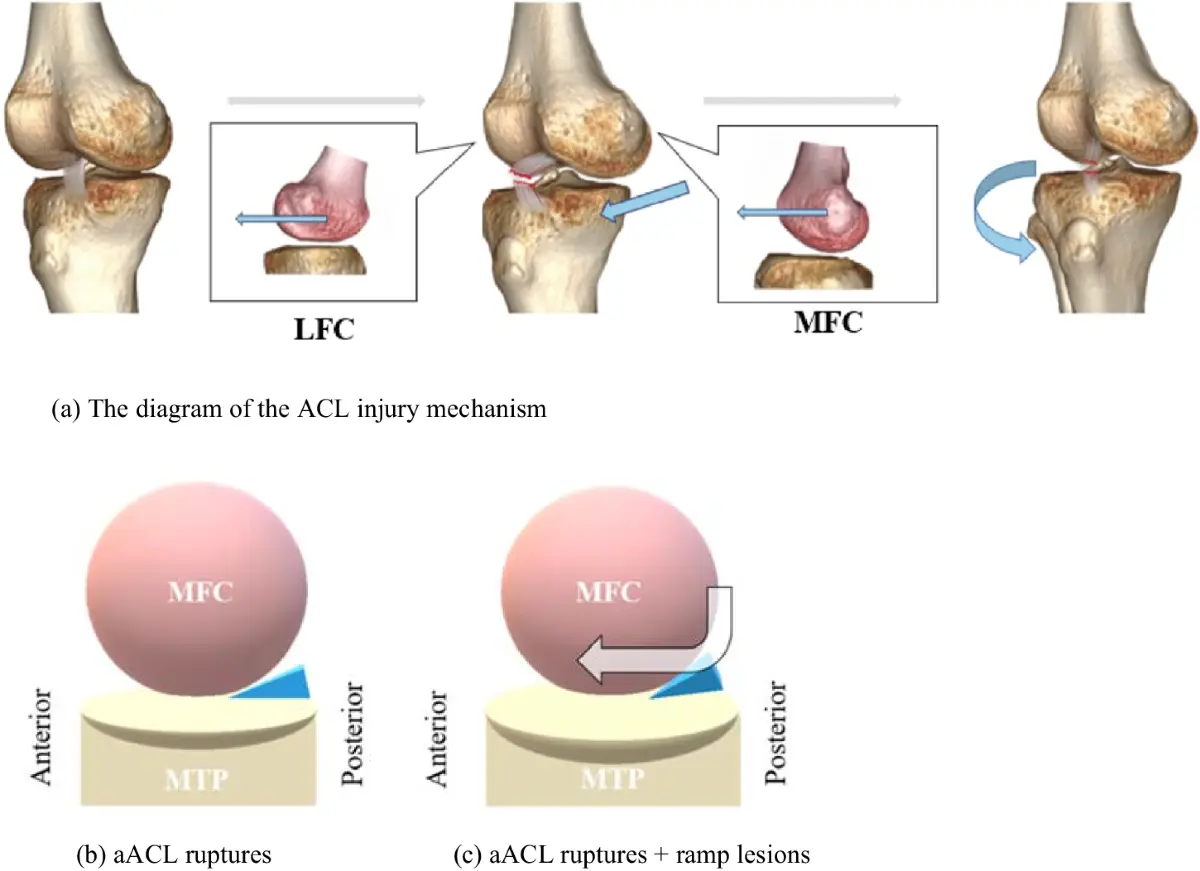
The ACL is one of the key ligaments that help stabilize the knee joint. An ACL injury occurs when the ligament is torn or sprained, commonly due to traumatic incidents such as a fall or awkward landing. According to the NHS, ACL injuries are prevalent in sports like football, basketball, and skiing, with a reported incidence of around 30 injuries per 100,000 population annually in the UK. The severity of the injury can range from a mild sprain to a complete tear, often requiring extensive rehabilitation or surgical intervention.
Causes and Risk Factors
Several factors contribute to the risk of an ACL injury. Poorly conditioned muscles, improper technique in sports, and the terrain of playing surfaces can all play a significant role. Female athletes, particularly, are at a higher risk due to anatomical and hormonal differences. Studies suggest that neuromuscular training can help reduce the risk by enhancing muscle control and strength, indicating the importance of proper training methods.
Symptoms and Diagnosis
Common symptoms of ACL injuries include audible popping during the injury, severe swelling, pain, and instability in the knee. Diagnosis typically involves a thorough physical examination and may include imaging tests such as MRI scans to assess the extent of the damage. Early diagnosis is crucial for determining an effective treatment plan.
Treatment Options
Treatment for an ACL injury can vary based on the severity. Non-surgical options often include physical therapy to strengthen the surrounding muscles and improve stability. For complete tears, surgery may be recommended, often involving the reconstruction of the ligament using grafts from the patient’s own tissue. Following surgery, a structured rehabilitation programme is essential to restore mobility and strength. Recovery times can range from six months to over a year, depending on the extent of the injury and adherence to rehabilitation protocols.
Conclusion
ACL injuries remain a significant risk for athletes, highlighting the need for education on prevention and prompt treatment. As medical research continues to advance, understanding the mechanisms of such injuries and tailoring rehabilitation to individual needs can enhance recovery and return to sports. For active individuals, maintaining strength and flexibility, along with proper training, will be key to reducing the likelihood of an ACL injury. With awareness and proactive measures, athletes can take command of their health and safeguard against future risks.
