Introduction
BBC Question Time is a pivotal television programme in the United Kingdom that actively engages the public in political discourse. Since its debut in 1979, the show has provided a platform for politicians, public figures, and ordinary citizens to discuss pressing political issues. It holds particular relevance today as political landscapes continue to evolve, especially leading up to the next general election.
Format and Significance
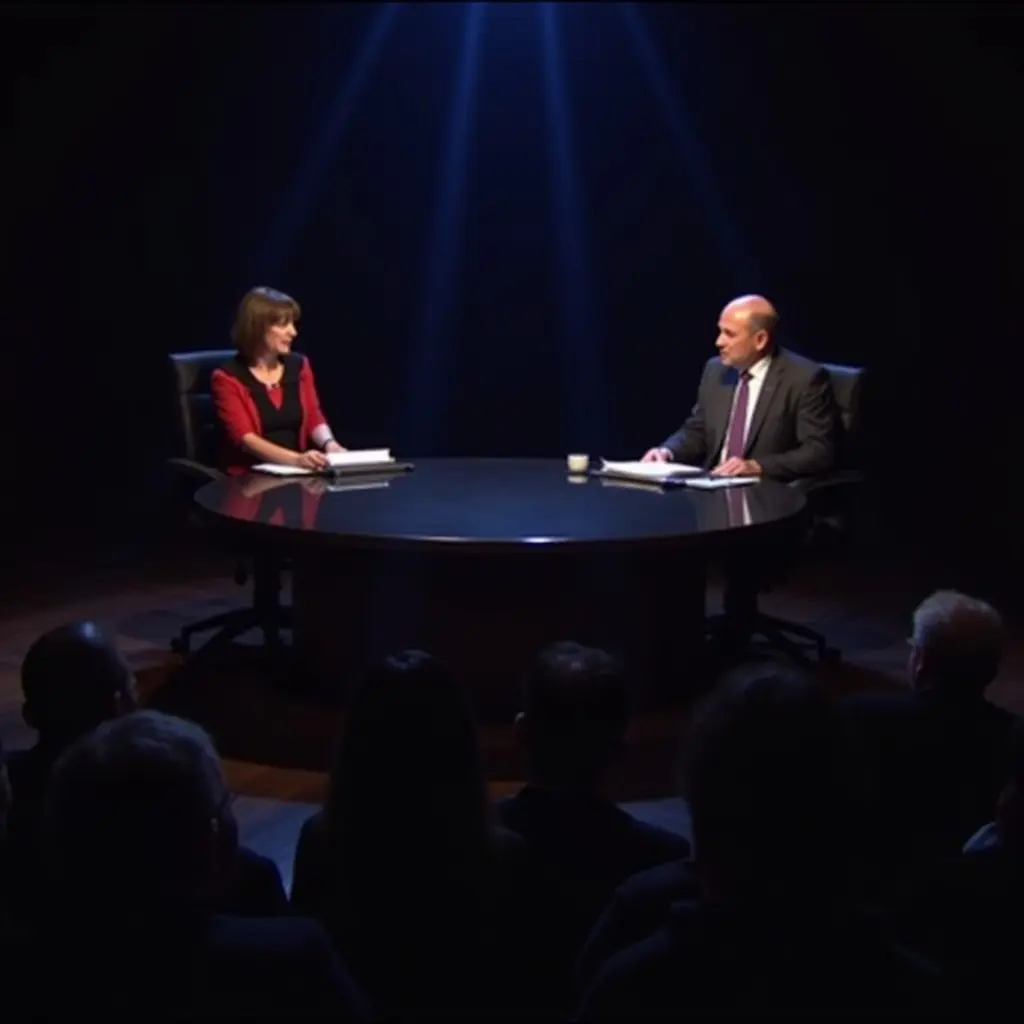
The format of Question Time features a panel of politicians from various parties, along with celebrity guests and specialists, who respond to questions from an audience representing the public. Each episode is broadcast live, creating an atmosphere of immediacy and genuine engagement. This allows viewers to witness firsthand the interactions between policymakers and constituents, providing not only entertainment but also valuable insights into the political process.
Recent episodes have tackled a variety of significant topics, including the cost of living crisis, energy policies, and the NHS’s future amid ongoing pressures. For instance, in a recent episode, the panel discussed strategies to combat rising energy costs, drawing varied opinions reflecting the diverse political landscape. The transparency of these discussions is crucial in an era where public trust in politicians is often questioned.
Impact and Forecast
The influence of BBC Question Time extends beyond mere television; it shapes public opinion and can sway electoral outcomes. The interactive nature – allowing real-time audience participation through questions and, occasionally, social media interaction – empowers citizens, making them active participants in democracy. As the UK approaches the anticipated general election, the importance of such a platform is magnified, likely serving as a litmus test for party policies and potential voter reactions.
Looking ahead, BBC Question Time is expected to continue its crucial role in amplifying the voices of the electorate. Analysts anticipate an uptick in viewership as the election date approaches, highlighting the programme’s significance in providing critical dialogue in challenging times. As voters become more engaged, platforms like Question Time become essential in aiding informed decision-making.
Conclusion
In conclusion, BBC Question Time remains an integral component of the UK’s political fabric, fostering dialogue between politicians and the public. Its ability to adapt and address contemporary issues ensures its place in broadcasting history. For viewers, tuning into Question Time presents an opportunity to better understand the political landscape and engage with pivotal debates influencing their lives.
