Introduction
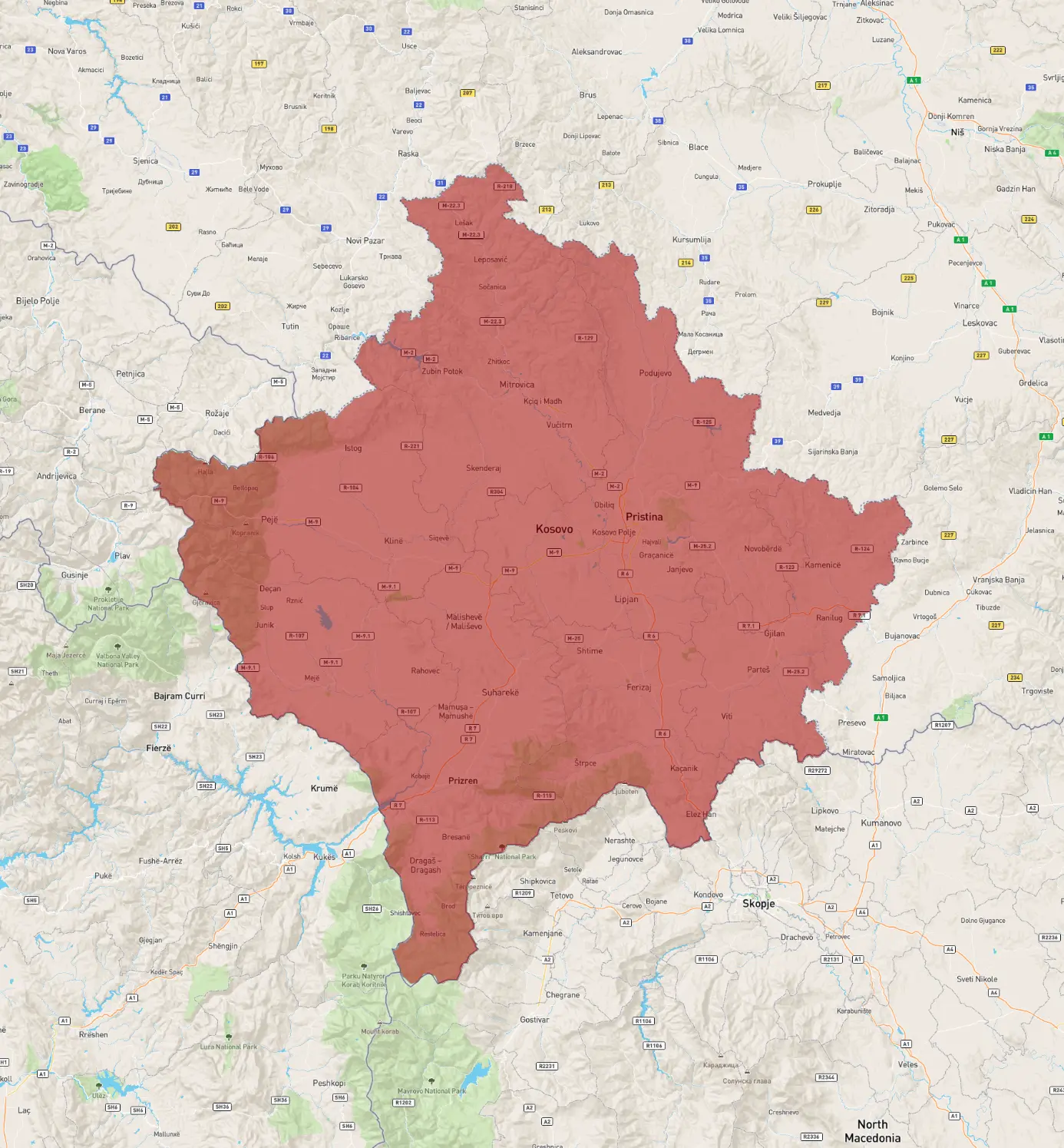
Kosovo, a small landlocked country in Southeast Europe, has been a focal point in international relations since its declaration of independence from Serbia in 2008. Its geopolitical importance is heightened by its strategic position in the Balkans, a region that has long been a flashpoint for ethnic tensions and historical conflicts. As of now, Kosovo is navigating through a complex political landscape involving regional partnerships, security concerns, and aspirations for broader European integration.
Recent Developments
In recent months, Kosovo has witnessed significant political developments. Tensions between Kosovo and Serbia have escalated primarily due to issues surrounding the Serbian minority in northern Kosovo. This region has been prone to unrest, and confrontations in the area were notable during the summer of 2023. Additionally, the Kosovo government has implemented various policies aimed at integrating communities and enhancing security, which included the deployment of special police forces to conflict-prone areas.
On the diplomatic front, Kosovo continues to seek recognition from countries that have yet to acknowledge its sovereignty. As of September 2023, Kosovo’s diplomatic efforts have resulted in 117 of the 193 United Nations member states recognizing its independence. However, Serbia, alongside its allies like Russia and China, has consistently opposed Kosovo’s statehood, complicating its international standing. Furthermore, the ongoing dialogue facilitated by the European Union aims to resolve outstanding issues between Kosovo and Serbia, with recent talks taking place in Brussels.
International Relations and European Integration
As part of Kosovo’s aspiration to join the European Union, the country has been undertaking reforms to align itself with EU standards. The EU has supported Kosovo through various development aid and integration programmes. Despite significant progress, challenges remain, particularly relating to the rule of law, corruption, and the need for economic development.
In a broader security context, NATO’s presence in Kosovo via the KFOR mission continues to ensure peace and stability in the region. However, the geopolitical landscape of the Balkans remains fragile, with external influences and inter-ethnic tensions persisting as potential flashpoints for conflict.
Conclusion
The situation in Kosovo is a testament to the complexities of state-building and international diplomacy in a post-conflict scenario. As the nation continues to strive for recognition and integration into European structures, its path forward will hinge on ongoing negotiations, internal reforms, and the capacity to foster peaceful coexistence among its diverse communities. For readers, staying informed about Kosovo’s evolving political landscape is crucial as it not only impacts regional stability but also holds significant implications for European peace and security.
