Introduction
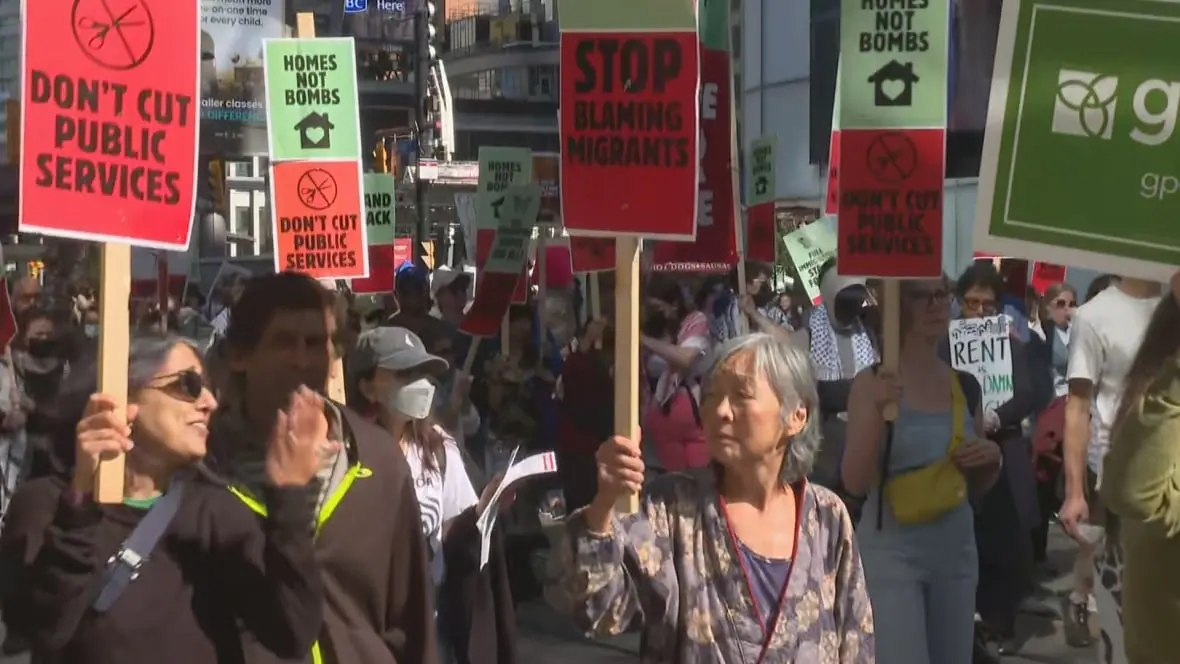
Recently, Toronto has experienced a series of protests that underline the city’s diverse social, economic, and political concerns. These protests are pivotal not only as a reflection of public sentiment but also as a platform for advocacy and change within the community. The rise in activism in Toronto highlights pressing issues such as housing affordability, racial equality, and climate action, thereby demonstrating the city’s evolving response to national and global challenges.
Recent Protests
One of the most notable protests took place on September 25, where thousands gathered at Nathan Phillips Square to advocate for affordable housing. Organised by the grassroots initiative ‘Affordable Living Toronto’, the protest aimed to draw attention to the skyrocketing rent prices and the urgent need for government intervention. Demonstrators held signs reading “Homes for All” and “Stop Evictions Now” as speakers highlighted personal stories of hardship and displacement.
On October 15, the focus shifted to racial justice during a march led by various advocacy groups, including Black Lives Matter Toronto. In the wake of continued racial profiling and police violence, this protest called for systemic reforms within law enforcement and justice systems. Participants echoed their demands for accountability and transparency, urging policymakers to address these systemic issues comprehensively.
Impact and Public Response
The ongoing protests in Toronto have shown a significant impact on both public discourse and local policymaking. Several city councillors have attended the protests, demonstrating their commitment to engage with constituents directly. In reaction to the demands for affordable housing, the Toronto City Council has started discussions on new zoning laws that could promote more inclusive housing developments.
Furthermore, the dialogues initiated by these protests have sparked a renewed interest in community-led solutions, such as co-operative housing initiatives and public housing expansion. Activists and community leaders highlight that while policy changes may take time, the momentum generated by these protests is crucial for ongoing advocacy.
Conclusion
The current wave of protests in Toronto highlights the community’s desire for meaningful change and a fairer society. As residents continue to voice their concerns, the significance of these protests extends beyond immediate issues, potentially shaping the city’s future policies and societal norms. Observers suggest that if engagement continues at this level, Toronto could pave the way for a more inclusive, equitable urban environment. The importance of these movements cannot be understated, as they empower individuals to take action and advocate for the values they believe should shape their community.
