Background and Initial Expectations
Prior to the recent developments, the geopolitical landscape surrounding Iran was marked by heightened tensions, particularly concerning military actions attributed to the Islamic Revolutionary Guards (IRGC). The US had maintained a posture of vigilance, with military operations primarily focused on countering Iranian influence in the region. However, the expectation was that any military engagement would be carefully calibrated to avoid civilian casualties, especially in populated areas.
The Decisive Moment
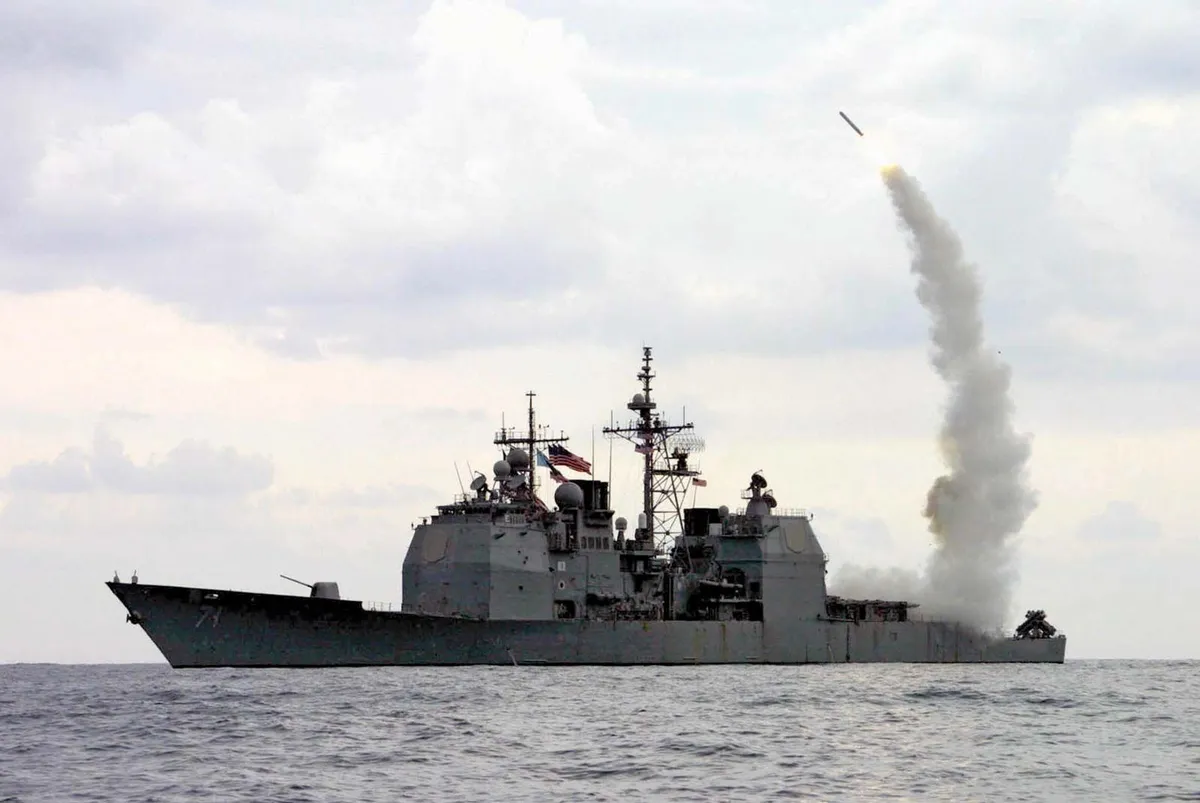
On February 28, 2026, a significant shift occurred when a US tomahawk missile struck an Iranian naval base adjacent to the Shajareh Tayyebeh primary school in Minab, Iran. This strike resulted in the tragic loss of more than 168 lives, with the majority being children aged around 12 years. The missile strike was part of a broader operation targeting the IRGC compound, yet the proximity to the school raised immediate concerns about the decision-making process behind the strike.
Immediate Aftermath and Casualties
The aftermath of the strike was devastating, with reports indicating that the bombing killed at least 168 individuals, a number that includes many innocent children. The Pentagon later adjusted its figures, citing 165 casualties, but the exact number remains unclear as reports vary. Satellite imagery confirmed that the school and three buildings within the IRGC compound were hit, leading to widespread condemnation and calls for accountability.
Expert Analysis and Perspectives
Experts have weighed in on the implications of this strike, with organizations like Unesco labeling the bombing as a grave violation of international law. Human Rights Watch has called for an investigation into the incident, urging that it be classified as a war crime. The video evidence, which was geolocated by Bellingcat, showed the missile’s impact, contradicting claims made by US officials regarding the responsibility for the attack. NR Jenzen-Jones noted, “The video shows a Tomahawk missile striking a target,” emphasizing the precision of the weapon used.
Political Reactions and Statements
The political ramifications of the strike have been significant, with various leaders expressing their views. Former President Donald Trump suggested that the attack was a result of Iranian actions, stating, “In my opinion, based on what I’ve seen, that was done by Iran.” However, this assertion has been challenged by the evidence presented, which appears to contradict the narrative of Iranian culpability. Pete Hegseth defended the US military’s actions, asserting, “America, regardless of what so-called international institutions say, is unleashing the most lethal and precise air power campaign in history.”
Ongoing Investigations and Uncertainties
The US military has initiated an investigation into the strike, acknowledging the use of tomahawk missiles in the conflict. However, uncertainties remain regarding the exact number of casualties, as independent agencies have yet to reach the site to investigate the bomb fragments. Details remain unconfirmed, and the situation continues to evolve as more information becomes available.
This tragic event underscores the complexities and moral dilemmas inherent in modern warfare, particularly when civilian lives are at stake. As the investigation unfolds, the international community watches closely, hoping for accountability and a reassessment of military strategies that prioritize the protection of innocent lives.
