“They have not yet paid a big enough price for what they have done to Humanity, and the World, over the last 47 years,” stated Donald Trump, expressing skepticism about Iran’s latest proposal aimed at resolving the ongoing conflict. This comes as Iran seeks to end hostilities within a tight timeframe of 30 days.
Iran’s proposal includes significant concessions: lifting U.S. sanctions, ending the naval blockade in the Strait of Hormuz, withdrawing military forces, and ceasing all aggressive actions. These terms are crucial as they directly impact not just diplomatic relations but also the Iranian economy, which is already struggling under severe U.S. sanctions that have weakened its currency to an alarming rate—trading at 1,840,000 rials to one U.S. dollar.
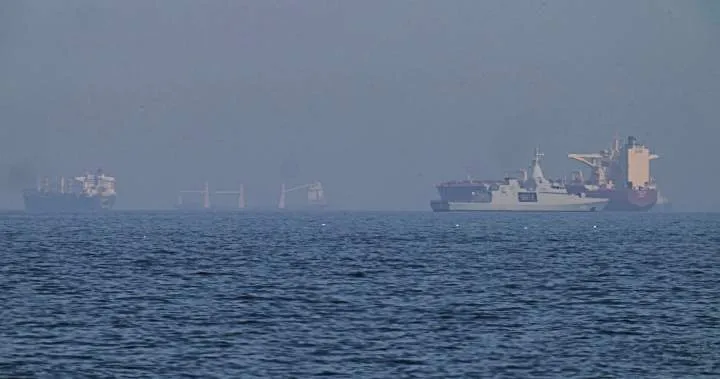
That context matters because the Strait of Hormuz is a vital shipping route, with roughly 20% of the world’s crude oil passing through it. The ongoing military operations and tensions in this area have led to multiple attacks on cargo ships; reports indicate at least two dozen such incidents since the war began in February 2023.
The U.S., however, has warned shipping companies that they may face sanctions if they pay Iran to transit safely through this critical waterway. This stance reflects a broader national security strategy aimed at preventing Iran from developing its nuclear program and maintaining pressure on its military activities.
Public opinion adds another layer of complexity. Recent polls show that only 26% of Americans believe that the military campaign in Iran has been worth its costs—an indication of growing war fatigue among citizens. As tensions rise and diplomatic channels remain fraught, U.S. intelligence agencies are closely monitoring how Iran might react if Trump were to declare a unilateral victory.
In light of these developments, analysts note that while Iran’s proposal is an attempt to pivot towards peace, skepticism from U.S. leadership complicates any potential agreements. As Anna Kelly stated, “The president will only enter into an agreement that puts U.S. national security first…” This highlights how intertwined military operations and diplomatic negotiations have become.
The next few weeks will be critical as both sides navigate this complex landscape filled with historical grievances and current geopolitical stakes. The world watches closely—especially given that any resolution could alter not just regional dynamics but global oil markets as well.
