Introduction to Luge
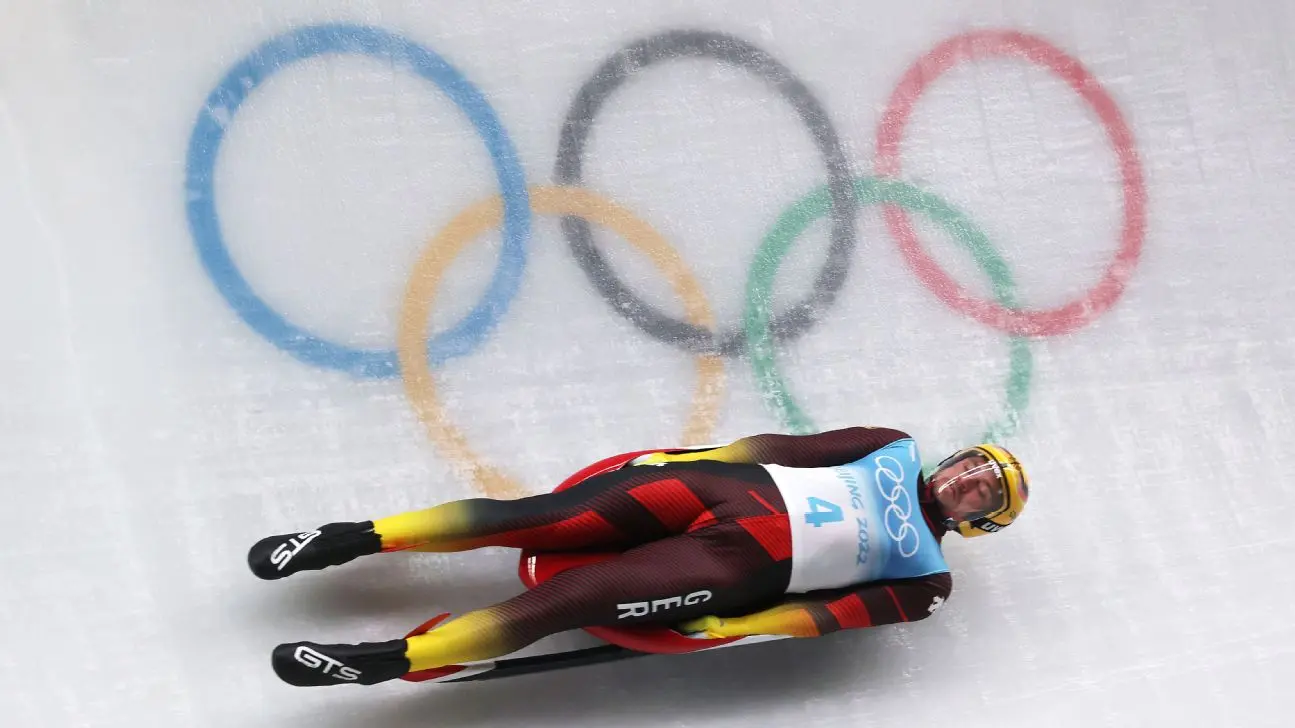
Luge, a fast-paced winter sport, is one of the most exciting events featured in the Winter Olympics. Competitors navigate a narrow, twisting track while lying face up on a small sled, reaching speeds of up to 140 km/h (87 mph). As the next Winter Olympics approach, interest in this high-speed sport is surging, highlighting its significance in the Olympic programme.
History of Luge at the Winter Olympics
First introduced as a demonstration event at the 1932 Winter Olympics in Lake Placid, luge became an official Olympic sport by 1964 in Innsbruck. Since then, it has evolved significantly, with advances in sled technology and training methods. The sport has seen various Olympic champions, including racers from Germany, who have dominated the podium.
Current Events and Developments
The upcoming 2026 Winter Olympics in Milan-Cortina, Italy, is generating immense excitement for luge enthusiasts and athletes alike. Recent World Cup events have showcased emerging talent, with young athletes from countries like Great Britain and Italy making their mark on the international stage. Additionally, the popularity of luge has been bolstered by increased media coverage and grassroots initiatives aimed at introducing the sport to a wider audience.
The Impact of Luge on Winter Sports
Luge contributes significantly to the diversity of winter sports, offering a unique combination of speed, skill, and precision. It has a dedicated following, evidenced by packed crowds at events and robust viewership for Olympic broadcasts. The Olympic luge competition serves not only as a display of athletic excellence but also as a platform for promoting winter sports worldwide.
Conclusion
As the 2026 Winter Olympics approach, luge remains a crucial component of the event’s allure. With its thrilling nature, incredible athlete performances, and ongoing development both domestically and internationally, luge is set to capture the hearts of spectators. The sport’s legacy continues to thrive, inspiring future generations to engage with winter athletics.
