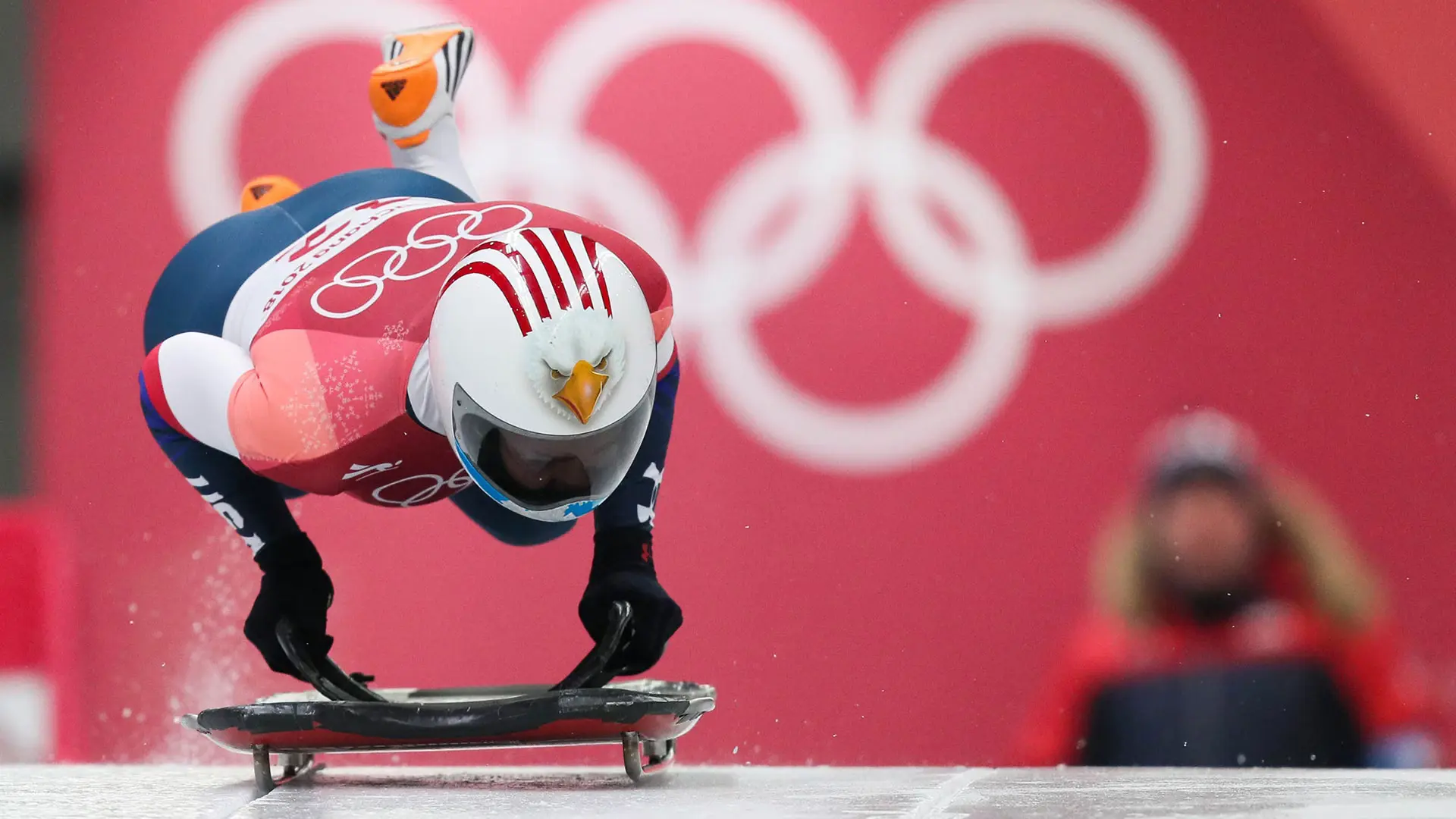
The Significance of Skeleton in Winter Olympics
The skeleton event at the Winter Olympics is a thrilling sport that has been part of the Olympic programme since 1928. It features athletes racing head-first down an unmarked course on a small sled, combining high speeds with immense skill. Skeleton attracts significant viewership, not only for its adrenaline-pumping action but also for the compelling narratives of the athletes who compete. These factors highlight the relevance of skeleton in global winter sports culture.
Recent Events and Highlights
During the most recent Winter Olympics held in Beijing in 2022, the skeleton events witnessed dramatic performances, with Germany dominating the field. The highlight was the battle between Olympic newcomers and seasoned athletes. Olympic silver medallist, as well as multiple world champion, Christopher Grotheer from Germany, secured first place, showcasing exceptional skill and speed. Meanwhile, British athlete Laura Deas laid claim to a significant medal at the games, contributing to Team GB’s reputation in winter sports.
The popularity of skeleton continues to rise, particularly among younger audiences. For instance, the advent of social media and Olympic partnerships, like the one with TikTok, has brought more attention to individual athletes, their training regimens, and personal stories, thereby enriching the sport’s appeal.
The Future of Skeleton in Winter Olympics
Looking forward, the future of skeleton in the Winter Olympics appears promising. With countries investing in sports science and training technology, upcoming tournaments are set to feature faster sleds and better-prepared athletes. Furthermore, there is a growing trend towards inclusion and diversity in winter sports, reflected in initiatives aimed at encouraging participation from underrepresented groups.
As preparations for the 2026 Winter Olympics in Milan-Cortina intensify, fans and athletes alike are excited to see how this exhilarating sport evolves. The excitement surrounding the skeleton event at the Winter Olympics is sure to captivate audiences, as new records and stories unfold on the challenging tracks of the Olympic arena.
Conclusion
The skeleton’s unique combination of speed, skill, and strategy, along with the stories of its athletes, ensure that it remains a captivating spectacle in the Winter Olympics. As we anticipate future games, the interest and support for skeleton are likely to flourish, potentially leading to even greater achievements and recognition for this exhilarating sport.
