Introduction
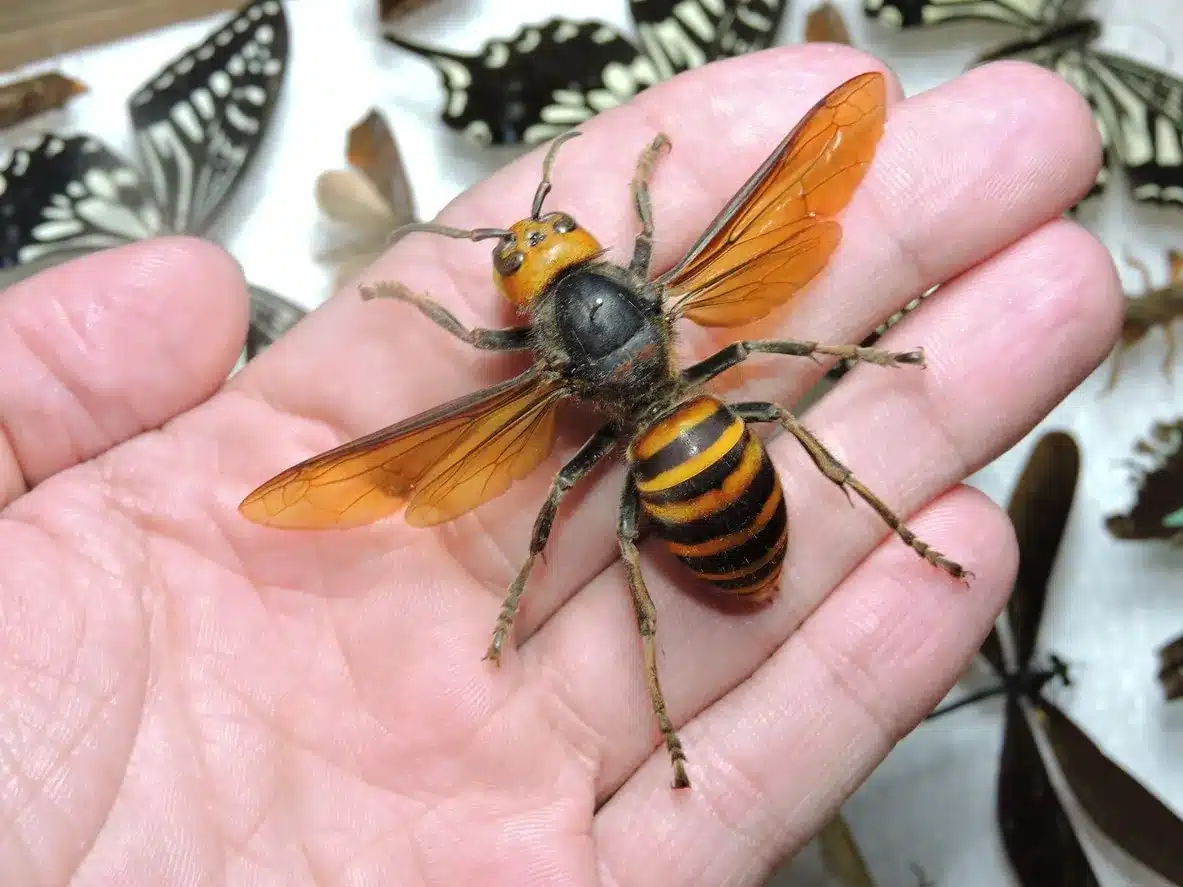
Asian hornets (Vespa velutina) have emerged as a pressing concern in the UK, posing a substantial threat to local bee populations. As pollinators play a critical role in agriculture and biodiversity, the presence of these invasive predators raises alarms among environmentalists, beekeepers, and farmers alike. Their rapid spread since their introduction to Europe has led to growing awareness regarding effective control measures.
Recent Developments
First identified in France in 2004, the Asian hornet rapidly expanded its territory across Europe, causing significant ecological disruptions. In the UK, sightings were first confirmed in 2016, with ongoing reports indicating increasing numbers and nests in various regions. In 2023, authorities confirmed over 50 active nests throughout the south of England, leading to heightened monitoring and eradication efforts led by the National Bee Unit.
The hornets are known for their aggressive nature, especially during foraging. They primarily target honeybees, attacking them en masse and posing a serious threat to beehives. It is estimated that a single Asian hornet can kill up to 40 honeybees in just one hour, which jeopardises not only local honey production but also the wider agricultural landscape dependent on pollination.
Control and Management Efforts
In response to the rising threat of Asian hornets, the government has implemented stringent measures aimed at monitoring and controlling their population. Citizens are encouraged to report sightings of the hornets and their nests, which can be easily identified by the distinctive size and appearance of the creatures. Surveillance teams equipped with traps and various control methodologies are actively deployed across affected areas to minimise their impact.
Additionally, beekeepers are advised to adopt preventive strategies, such as protecting their hives with screening and regular inspections. Education campaigns aimed at improving public awareness are also underway, clarifying how to identify these pests and detailing steps for reporting them.
Conclusion
As Asian hornets continue to pose a significant risk to the delicate balance of ecosystems in the UK, it is crucial for both authorities and the public to remain vigilant. The ongoing cooperation between various stakeholders, including environmental agencies, beekeepers, and community members, is essential for controlling this invasive species. Looking ahead, effective management and prevention strategies will be key in safeguarding the future of native bee populations and the agricultural activities that rely on them.
