Introduction
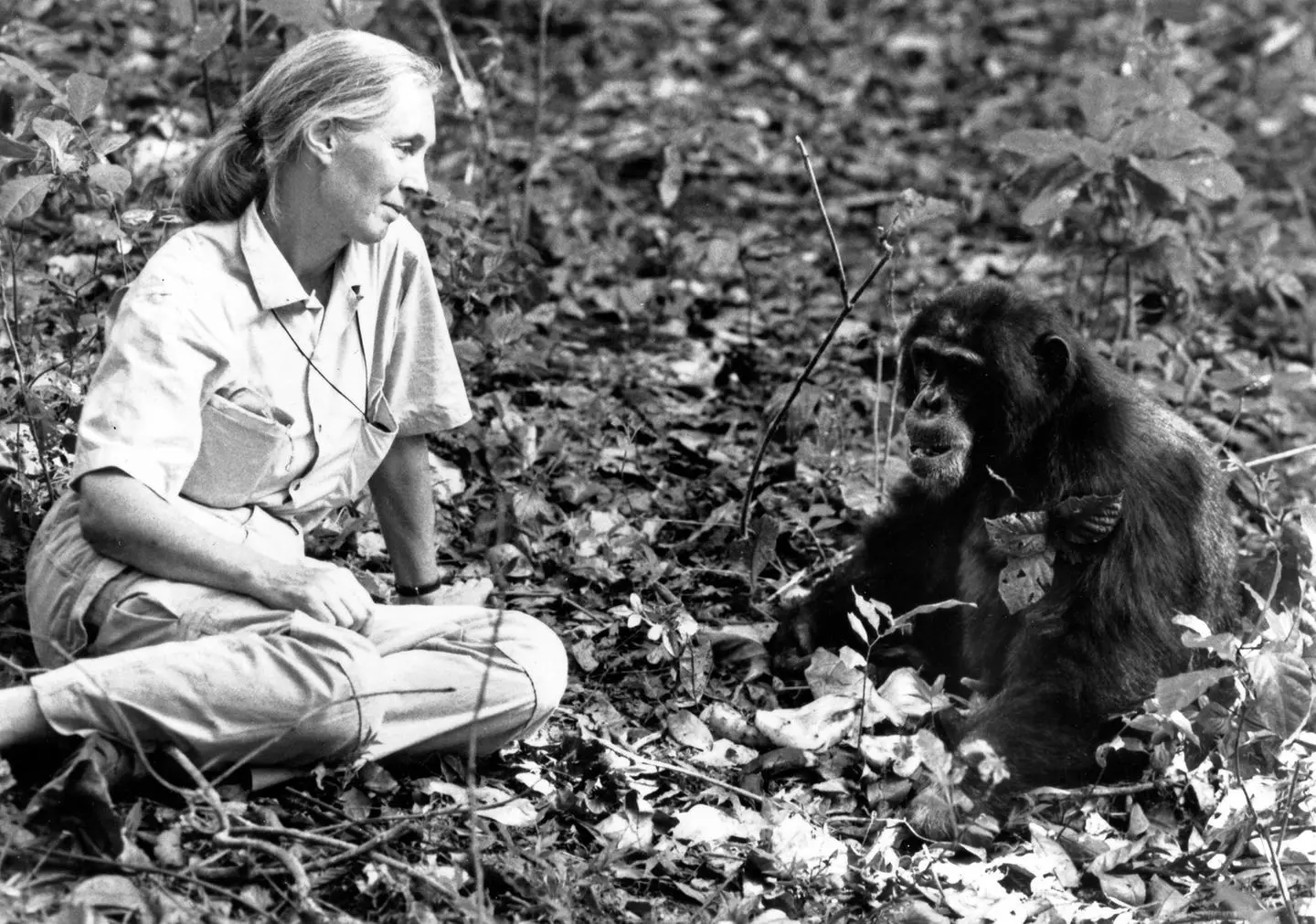
Jane Goodall, a world-renowned primatologist, ethologist, and anthropologist, has dedicated over six decades to the study and conservation of chimpanzees and their habitats. Her groundbreaking research in the 1960s at Gombe Stream National Park in Tanzania changed our understanding of primate behaviour and has inspired a global movement for wildlife conservation and animal welfare. As climate change and habitat destruction escalate, Goodall’s work remains critically relevant.
Milestones in Goodall’s Career
In 1960, at the young age of 26, Jane Goodall arrived in Tanzania, where she began her groundbreaking study. Her observations revealed that chimpanzees have complex social structures and exhibit emotions once thought to be exclusive to humans. Among her discoveries was the use of tools—chimpanzees fashion sticks to extract termites from mounds, a behaviour that challenged the long-held belief that humans were the only tool users in the animal kingdom.
Throughout her career, Goodall has advocated for ethical treatment of animals and the preservation of their environments. She founded the Jane Goodall Institute in 1977, which focuses on conservation, research, and education, while also engaging local communities in sustainable practices. The institute supports projects in Africa and around the world, emphasising the interconnectedness of human and animal welfare.
Recent Initiatives and Advocacy
As of late 2023, Jane Goodall continues to be a prominent advocate for conservation efforts. She has recently launched initiatives aimed at promoting regenerative agriculture and biodiversity—efforts that align with her belief in sustainable living and respect for nature. Using her platform, she raises awareness on critical issues such as climate change, deforestation, and the illegal wildlife trade, galvanizing action and encouraging the public to participate in conservation efforts.
In addition, Goodall’s role in youth engagement through the “Roots & Shoots” programme offers young people an opportunity to take action in their communities. Focusing on environmental and humanitarian issues, the programme empowers youth to develop projects that foster positive change.
Conclusion
Jane Goodall’s legacy is a testament to the impact one person can have on global conservation efforts. Her life’s work serves not only as a landmark in primatology but as a blueprint for how individuals can contribute to saving our planet. The urgency of climate action and wildlife preservation makes her advocacy more important than ever. As her influence extends into new generations, Goodall continues to inspire a collective responsibility toward protecting the biodiversity of our world.
