Introduction
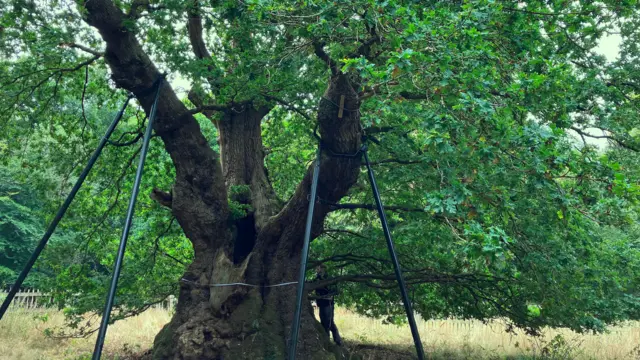
Druids Oak, an ancient tree located in the heart of the English countryside, holds significant cultural and historical importance. Revered for its connection to folklore, Druidic traditions, and natural history, this magnificent oak exemplifies the intertwining of nature and heritage in the UK. The tree has become a symbol of conservation efforts in protecting irreplaceable historical sites and promoting awareness about the ecological importance of ancient trees.
Historical Background
Situated in the Forest of Dean, Druids Oak is estimated to be over 1,000 years old. Its name stems from the Druids, the ancient Celtic priests who are believed to have worshipped amongst such trees, considering them sacred. This oak has been documented in various historical texts, showcasing its ongoing significance through the ages. In 2023, the landmark has gained even more attention as local councils and historians collaborate to preserve its historical context and ecological surrounding.
Recent Events and Conservation Efforts
Recently, the Friends of Druids Oak, a community-led group, has initiated several conservation projects aimed at ensuring the longevity of the tree and its surroundings. Through organized clean-up drives and educational workshops, community members are currently engaging residents, young and old, about the importance of maintaining historical landmarks. Furthermore, they are working with environmental experts to better understand the ecosystem around Druids Oak, including surrounding flora and fauna, and develop strategies to combat the threats posed by climate change.
The Cultural Relevance
Druids Oak is not only a biological wonder but also a cultural icon that resonates with the local population. As folklore enthusiasts share stories passed down through generations regarding the Druid rituals that took place beneath its boughs, the community has rallied to ensure the story continues. The folk tales surrounding the oak attract visitors and tourists alike, contributing to local tourism while stressing the importance of safeguarding such cultural treasures.
Conclusion
Druids Oak stands at the intersection of history, culture, and environmental conservation. As acknowledgement of its importance grows, efforts to protect and preserve this historic landmark seem more crucial than ever. Moving forward, it is significant for communities and government bodies to continue supporting initiatives that sustain such invaluable natural and historical sites. The future of Druids Oak, much like its storied past, relies on collective community efforts and increased awareness of the heritage it represents.
