Introduction
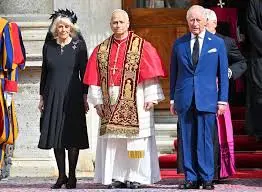
The recent meeting between Camilla, the Queen Consort of the United Kingdom, and Pope Francis has sparked much discussion, particularly regarding her choice of attire. Wearing black in a religious context, especially when meeting the Pope, holds deep historical and cultural significance. This choice invites a closer examination of tradition, respect, and the nuances of royal protocol.
Details of the Meeting
Camilla’s meeting with Pope Francis took place on a significant day, coinciding with efforts to promote interfaith dialogue and understanding. As a key figure in the British royal family, her interactions with religious leaders are closely scrutinised. The meeting was part of a broader initiative to foster community and goodwill among various faiths.
Significance of Attire
Traditionally, women meeting the Pope are expected to wear black, symbolising humility and respect. Camilla’s decision to adhere to this practice underscores her commitment to maintaining tradition, even as modern royal customs continue to evolve. Her attire is reflective of her respect for the Catholic Church and its customs, particularly given the historical connection between the British monarchy and Catholicism.
Public and Media Reaction
The media and public response to her outfit has been largely positive, with many praising her adherence to protocol. Some commentators noted that while black is often associated with mourning, in this context, it serves as a mark of honour and reverence for the Papal visit. Social media discussions have highlighted the importance of royal symbolism and how attire choices can reflect broader cultural values.
Conclusion
Camilla’s choice to wear black during her meeting with the Pope is a testament to her awareness of tradition and the symbolic nature of royal engagements. As the Queen Consort navigates her role, such decisions will continue to shape public perception and understanding of the monarchy’s relationship with faith. Observers may see this as a pointer towards how royal attire can convey messages of respect, continuity, and tradition in a modern world.
