Introduction
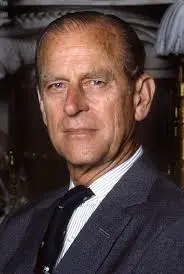
The Duke of Edinburgh, Prince Philip, holds a significant place in Britain’s royal history, known for his unwavering support of the Queen and contributions to various charitable organisations. His passing on April 9, 2021, marked the end of an era, leaving many to reflect on his extensive legacy and impact. Understanding his role helps shed light on the intersection of monarchy and modern societal values.
A Life of Service
Born in 1921 in Greece, Prince Philip’s life was one of service and dedication. He served in the Royal Navy during World War II and was awarded several medals for his bravery. After his marriage to then-Princess Elizabeth in 1947, he committed his life to royal duties, supporting her throughout her reign. His role was pivotal in modernising the monarchy and enhancing its relevance in contemporary society.
Championing Education and Innovation
One of the Duke’s most significant contributions was the establishment of the Duke of Edinburgh’s Award Programme in 1956, which aimed at empowering youth through personal development and community service. This initiative has since grown to involve millions of young people across over 140 countries, highlighting his commitment to education and innovation. The programme encourages participants to face challenges, learn new skills, and contribute to their communities, fostering self-reliance and teamwork.
Philanthropy and Advocacy
Besides his educational initiatives, Prince Philip was a patron of over 800 charities focusing on various causes, including the environment, science, and technology. His advocacy for conservation led to the creation of the World Wildlife Fund (WWF) in 1961, which continues to work towards a sustainable future. His commitment to addressing climate change and environmental issues is increasingly relevant in today’s world, where these challenges are at the forefront of global discussions.
Conclusion
The legacy of the Duke of Edinburgh transcends his royal title. His life’s work, through advocacy, philanthropy, and education, has left an indelible mark on society. As the royal family continues to evolve, the principles he championed will remain significant. The upcoming years will reveal how his foundational work informs modern approaches to monarchy, public service, and community engagement. For those interested in the future of the British monarchy, understanding Prince Philip’s contributions is essential, as his influence still resonates within and beyond royal circles.
