Introduction
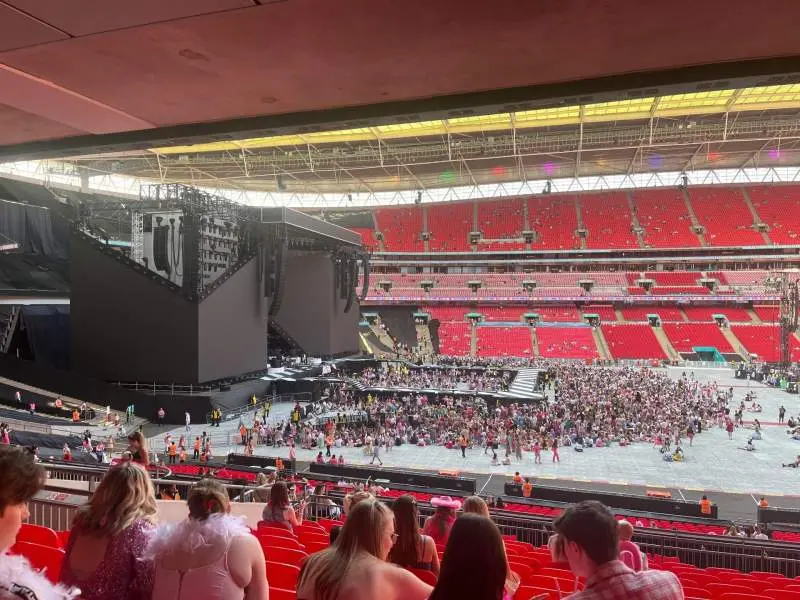
Wembley Stadium, one of the most iconic sports venues in the world, continues to hold significance far beyond its physical structure. Recognised globally for its distinctive arch and capacity of 90,000 seats, it serves as a principal site for football matches, concerts, and various sporting events. Its relevance has only grown in recent years as it adapts to modern demands and remains a key player in the UK’s cultural landscape.
Historical Background
Originally opened in 1923, the stadium hosted the British Empire Exhibition. Its illustrious history includes numerous memorable events, such as the 1966 FIFA World Cup Final, where England secured its first and only World Cup title. However, after several decades of wear and modernization challenges, Wembley Stadium was rebuilt and reopened in 2007, allowing it to better serve contemporary needs while preserving its heritage.
Recent Events
Since its reopening, Wembley Stadium has hosted a variety of significant football matches, including multiple FA Cup Finals and UEFA Champions League encounters. The stadium also played a pivotal role in the UEFA Euro 2020 tournament, having hosted several major matches, including the final where Italy triumphed over England in a penalty shootout. This event reinforced Wembley’s position as the heart of football.
Future Prospects
Upcoming events at Wembley continue to underline its status as a premier venue. Concerts from global superstars and major sporting fixtures are on the calendar into 2024 and beyond, attracting visitors from around the globe. The potential for hosting further international competitions such as the UEFA European Championship enhances its significance in the footballing world.
Conclusion
Wembley Stadium stands as a testament to the unity and excitement that sports and entertainment bring to society. As it continues to evolve, its ability to host diverse events ensures its relevance in the cultural fabric of the UK. For football fans and concert-goers alike, Wembley remains a beacon of thrilling experiences and cherished memories, making it a vital asset for future generations.
