Introduction
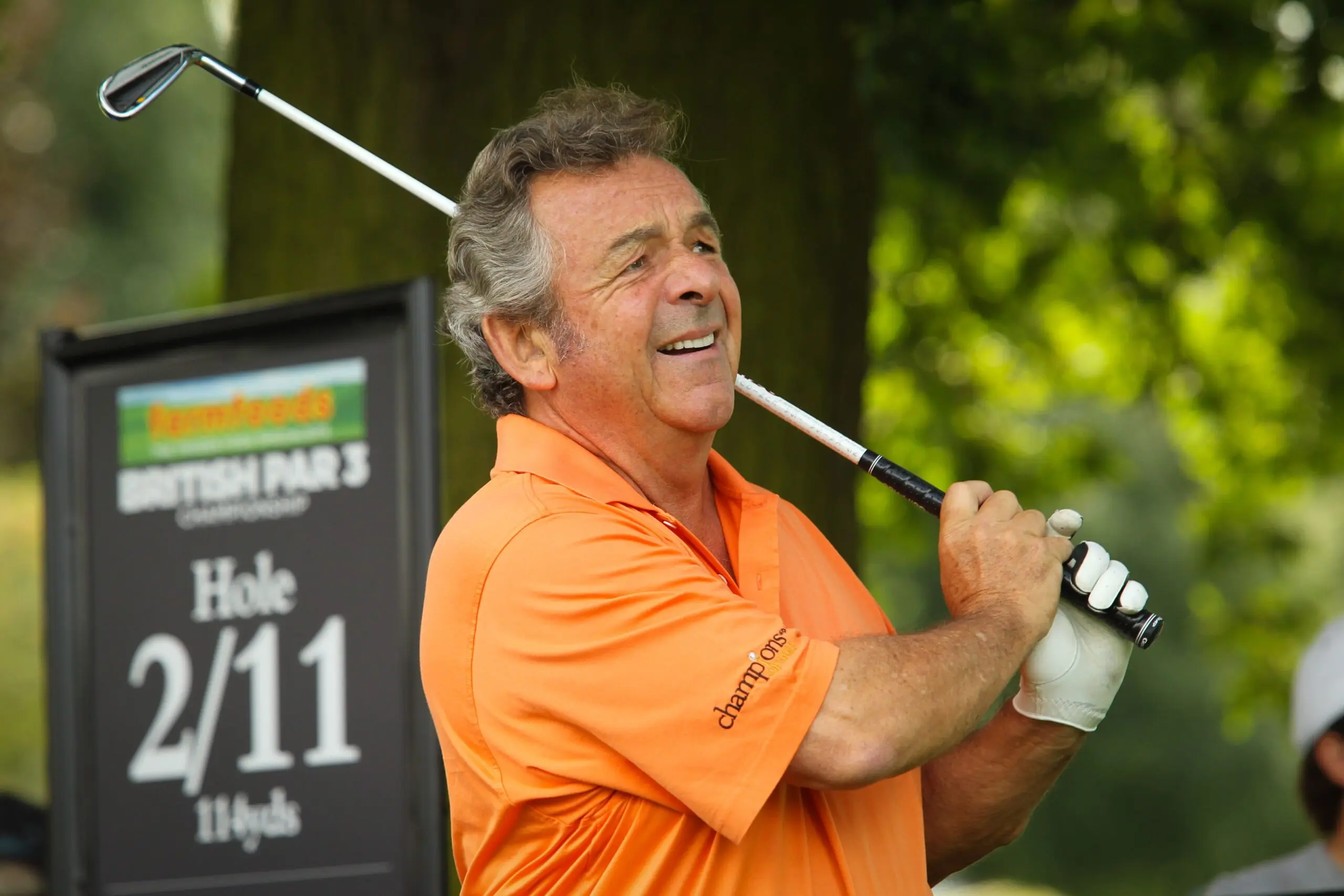
Tony Jacklin is a name synonymous with golf and has shaped the sport significantly through his remarkable career. Born in 1944 in Scunthorpe, England, Jacklin’s influence extends beyond just his achievements on the course; he is also regarded as an innovator who transformed how the game is played and perceived. With multiple major championships to his name, his legacy is a crucial part of golf history.
Major Achievements
Jacklin’s most notable moments came in the late 1960s and early 1970s. He made history in 1969 by becoming the first European to win the Ryder Cup as a captain, leading to a resurgence in British golf. His success was not limited to team competitions; he won The Open Championship in 1969 and the U.S. Open in 1970, making him a prominent figure in American and European tours.
Impact on Golf
Beyond his wins, Jacklin is credited with modernising the game. He was one of the first players to prioritise the mental aspect of golf, which he developed through his own experiences. He introduced techniques that focused on mental preparation, helping players enhance their performance under pressure. Additionally, Jacklin played a pivotal role in the design and development of golf courses, championing the need for accessibility and enjoyment for all players.
Current Involvement and Recognition
In recent years, Tony Jacklin has remained active within the golf community. He frequently participates in charity events and contributes to golf development programs. His mentorship has nurtured a new generation of players, passing on his wealth of knowledge. In 2018, he was inducted into the World Golf Hall of Fame, cementing his status as a legendary figure in the sport.
Conclusion
As golf evolves, the contributions of Tony Jacklin remain influential. His achievements serve as an inspiration to aspiring golfers, while his innovations continue to impact how the game is played and taught. The legacy of Jacklin is not just marked by his trophies, but also by his enduring influence on the sport that he loves. Looking ahead, his role in modern golf, through both play and mentorship, ensures that his impact will be felt for generations to come.
