Introduction
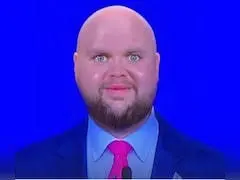
The JD Vance meme has recently emerged as a notable cultural phenomenon, echoing throughout social media platforms and influencing discussions on political identity. Vance, a prominent author and politician, gained notoriety for his book “Hillbilly Elegy” and his subsequent run for the U.S. Senate. His rise in fame has given birth to various online memes that reflect the public’s perception of his policies and persona, highlighting how memes contribute significantly to modern political discourse.
The Context of the JD Vance Meme
Originating from a collection of quotes and public appearances, the JD Vance meme has taken various forms, often portraying him in a humorous or critical light. One of the most viral instances was a clip where Vance discusses the challenges of rural America, which was quickly remixed into memes questioning his authenticity and political stance. This clip not only showcases Vance’s attempt to connect with voters but also sheds light on the broader societal issues that resonate within his narrative.
The Role of Memes in Political Discourse
Memes have evolved from simple jokes to powerful tools for political commentary, capable of shaping narratives in a rapidly changing media landscape. The JD Vance meme serves as a reflection of this shift, illustrating how digital communication can influence public perception. Analysts have noted that these memes often encapsulate complex ideas and sentiments in a digestible format, allowing users to engage with political figures in a nuanced manner. In Vance’s case, memes surrounding him often critique his actions while simultaneously amplifying his visibility as a candidate.
The Impact on Vance’s Political Journey
As a candidate, Vance’s relationship with memes has proven to be a double-edged sword. While they can engage younger voters and encourage discussions around his policies, they also pose challenges as misrepresented narratives can quickly gain traction. The presence of these memes in electoral campaigns reflects the importance of being media-savvy in today’s political landscape. Notably, social media strategist teams are increasingly tasked with not only crafting messages but also managing public perception through the lens of memes.
Conclusion
The JD Vance meme showcases the profound impact of internet culture on politics, particularly how humor can serve as both a weapon and a shield in a candidate’s arsenal. As social media continues to dominate communication, evolving memes will likely play an integral role in shaping future electoral dialogues. For readers, understanding the implications of memes in political contexts is essential in navigating the complexities of modern discourse and recognizing the strategies that can influence voting behaviours and public sentiment.
