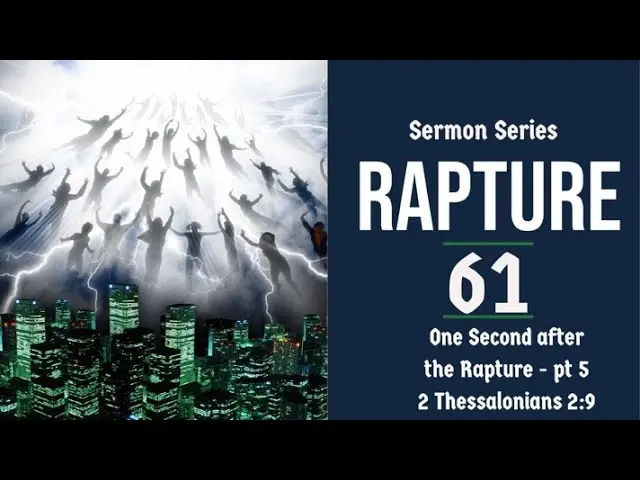
Introduction to the Rapture
The Rapture is a theological concept often discussed among Christian communities, referring to the belief that believers will be taken up to heaven at Christ’s second coming. This doctrine is not formally defined in the Bible, but it primarily stems from interpretations of biblical texts, particularly 1 Thessalonians 4:16-17. Understanding the Rapture holds relevance not only for believers but also for scholars and observers seeking to understand contemporary religious movements and their implications on society.
Historical Context
The idea of the Rapture gained prominence in the 19th century, particularly through the teachings of John Nelson Darby and the subsequent development of Dispensationalism. This belief system posits that the Rapture occurs before a period of tribulation and is often depicted in popular culture through books, films, and various media. Recently, it has found a resurgence in discussions surrounding end-of-the-world scenarios, particularly in light of global events such as pandemics, climate change, and political instability.
Current Events and Discussions
In 2023, debates surrounding the Rapture are becoming increasingly pertinent as various religious groups re-examine prophecy interpretations. Influential voices within evangelical circles assert that current geopolitical turmoil could be indicative of signs mentioned in biblical prophecies. Additionally, instant access to information through social media platforms has facilitated a wider discourse, allowing perspectives on the Rapture to spread rapidly. Conferences and online forums are engaging thousands of individuals in dialogue about the implications of impending divine events, urging them to ponder their faith and readiness.
Conclusion: The Rapture’s Impact
While the Rapture remains a topic of contention and varying beliefs within Christianity, its implications are profound. It touches upon themes of hope, fear, and preparedness. As societal concerns grow, understanding the nuances of the Rapture may offer insights into the broader issues facing modern society and faith. Moreover, as discussions persist, they encourage both believers and non-believers to reflect on the nature of faith and the importance of addressing existential issues in present times. The dialogue surrounding the Rapture continues to evolve, shaping both communities of faith and cultural narratives alike.
