Introduction
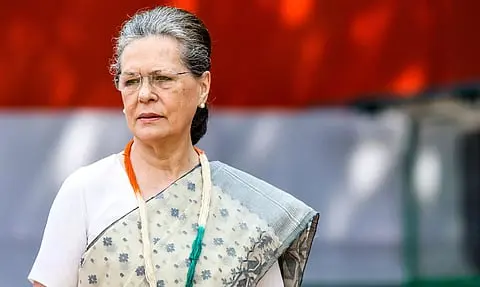
Sonia Gandhi remains one of the most significant figures in contemporary Indian politics. As the former president of the Indian National Congress (INC) and the United Progressive Alliance (UPA), her influence has been pivotal in shaping the political landscape of India. Understanding her political trajectory is crucial, as it not only reflects on her role within the congress party but also highlights her impact on the broader socio-political dynamics of the country.
The Early Years
Born on December 9, 1946, in Italy, Sonia Gandhi moved to India after marrying Rajiv Gandhi, a prominent member of the Nehru-Gandhi family. After the assassination of her husband in 1991, she entered politics, initially resisting the pull of public life. However, by 1997, she was elected president of the Congress party, marking the beginning of a transformative period for Indian politics.
Leadership of Congress Party
Under Sonia Gandhi’s leadership, the Congress party underwent significant changes, focusing on issues such as economic reforms, social justice, and the empowerment of women. The INC returned to power in 2004, leading a coalition government known as the UPA. Her tenure was marked by notable initiatives such as the National Rural Employment Guarantee Act (NREGA), which aimed to provide a legal guarantee of at least 100 days of unskilled wage employment in a financial year to every rural household.
Challenges Faced
Despite her success, Sonia Gandhi has faced a myriad of challenges, including criticism over the party’s performance in various states and internal dissent. The 2014 general elections were particularly challenging, as the INC suffered significant losses, leading to her decision to step down as the party president in 2017. Nevertheless, her role as a senior leader has remained influential, guiding younger leaders within the congress and advocating for the party’s core values.
Current Relevance
As of 2023, Sonia Gandhi is still an active participant in national politics, navigating complex challenges posed by rival parties and changing public sentiments. Recently, she has been vocal about issues concerning farmers’ rights, women’s empowerment, and regional inequalities, emphasizing the need for unity within opposition forces against the ruling party.
Conclusion
The legacy of Sonia Gandhi is multifaceted, intertwined with the fate of the Congress party and the broader narrative of Indian democracy. Her political journey embodies the struggles and triumphs of a party that has been both at the helm of power and in opposition throughout India’s history. Looking forward, her influence continues to resonate, and her capability to adapt to the evolving political landscape will determine the future role of the Congress party in Indian politics.
