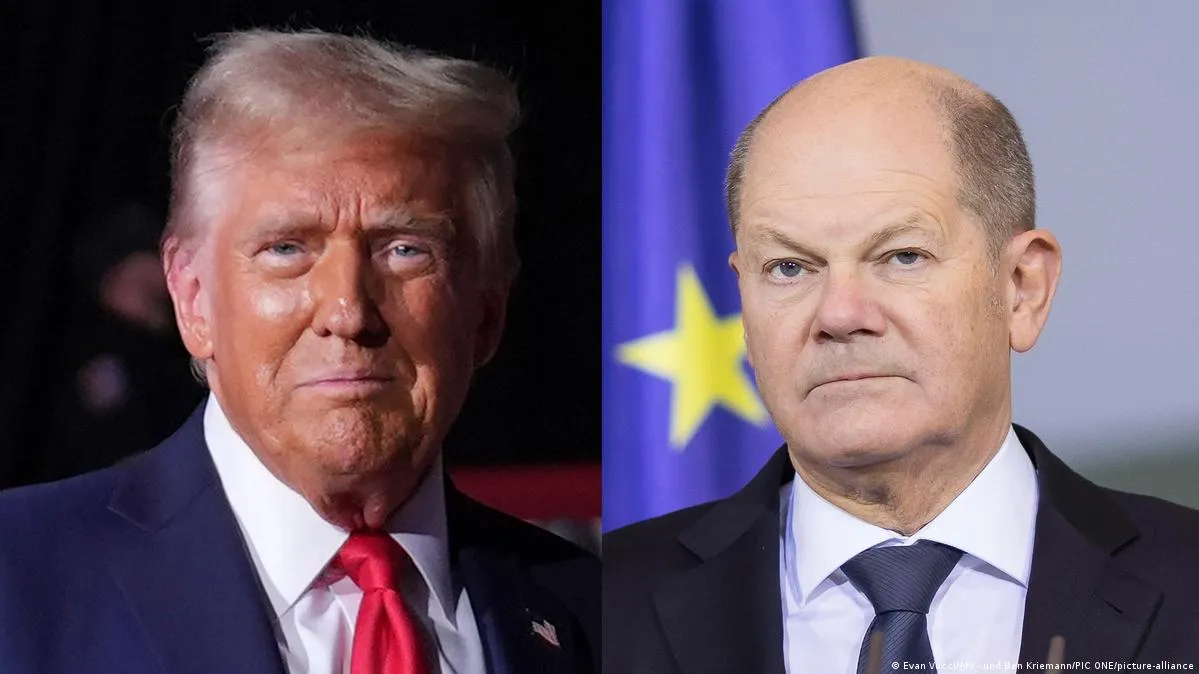
On May 2, 2026, Donald Trump announced a significant reduction in U.S. troop levels in Germany, stirring concerns regarding the implications for European security and relations with Russia. The plan involves withdrawing 5,000 soldiers from the current 36,000 stationed there, representing about 15% of the total.
Trump’s decision comes after German Chancellor Friedrich Merz made comments suggesting that Europe should take more responsibility for its own security. This statement resonated with Trump, who has long criticized NATO allies for not contributing enough to their defense budgets. As a result, the U.S. military presence in Germany—historically crucial since World War II—faces a major shift.
The timeline for this withdrawal is expected to unfold within six to twelve months. While some may view this as a strategic move, others express deep concern about its potential consequences. After all, the presence of American troops not only supports local security but also bolsters the economy in regions where they are stationed.
That context matters because Republican leaders have voiced apprehensions about how this decision might signal weakness to adversaries like Vladimir Putin. Mike Rogers and Roger Wicker warned that reducing American military presence too soon could weaken deterrence against aggression from Russia.
Key facts about the troop withdrawal:
- The U.S. plans to withdraw 5,000 soldiers from Germany.
- This accounts for approximately 15% of the total 36,000 U.S. troops currently stationed there.
- The overall U.S. military presence in Europe includes around 80,000 soldiers.
Georges Mercier remarked on Trump’s feelings of humiliation regarding NATO’s dynamics, hinting at deeper complexities in transatlantic relations. Meanwhile, Boris Pistorius emphasized that Europeans must take greater responsibility for their own defense—a sentiment that aligns with Trump’s perspective.
This development raises questions about NATO’s future cohesion and the broader strategy regarding Iran and other geopolitical challenges. The ripple effects of this decision could reshape how Europe approaches its defense strategy moving forward.
