Introduction
The polar vortex is a significant meteorological phenomenon that plays a crucial role in determining winter weather patterns across the Northern Hemisphere. As the climate evolves, the polar vortex continues to capture attention due to its ability to bring extreme cold and severe weather events. Understanding the polar vortex is essential for comprehending broader climate trends and their effects on global weather.
What is the Polar Vortex?
The polar vortex refers to a large area of low pressure and cold air surrounding the Earth’s poles. It strengthens during the winter months, creating a barrier that keeps the cold air contained at the poles. However, when the polar vortex weakens or becomes disrupted, it can lead to an influx of cold Arctic air into mid-latitude regions, resulting in severe weather patterns that impact millions.
Recent Events and Observations
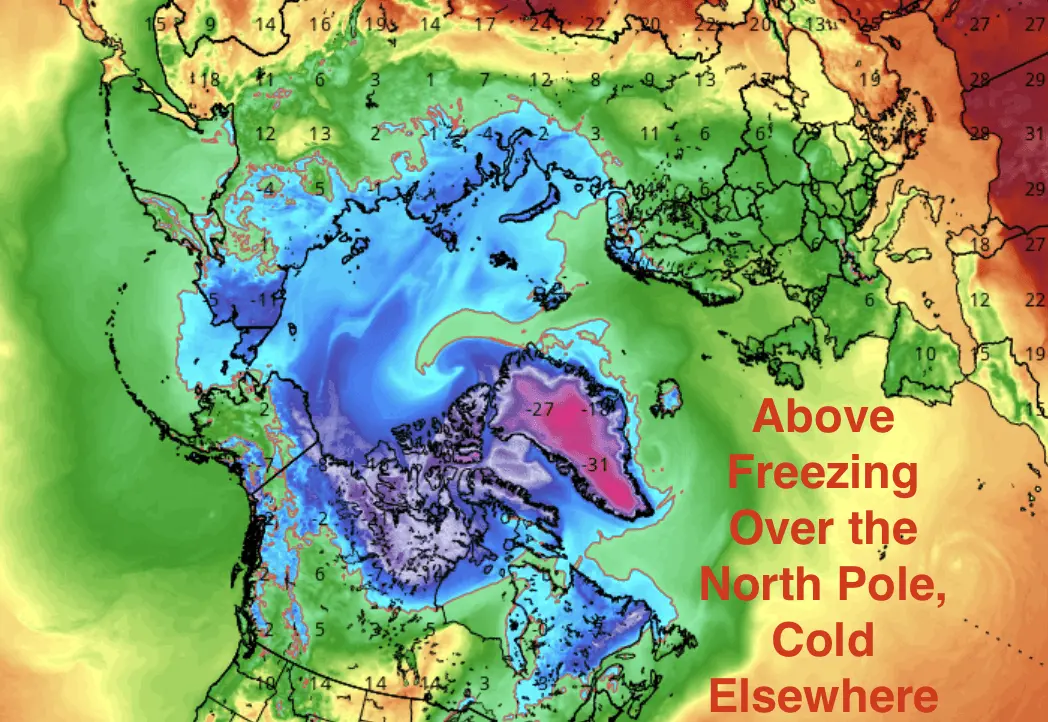
This winter season has witnessed notable polar vortex activity, causing widespread disruptions in weather patterns. In December 2022, a significant weakening of the polar vortex allowed frigid air to spill into parts of North America, resulting in a dramatic temperature drop. Many regions experienced daytime highs that plunged well below freezing, leading to frostbite warnings and hazardous travel conditions. Similar patterns have been observed across Europe, where cold waves from the Arctic have induced severe weather phenomena such as heavy snowfall and freezing temperatures.
Scientific Studies and Research
Research into the polar vortex has gained momentum as scientists aim to understand its complexities and the influence of climate change. Recent studies have suggested that rising global temperatures may be affecting the stability of the polar vortex. Some experts argue that warmer Arctic air can lead to destabilisation of the polar vortex, increasing the likelihood of extreme winter weather events in Europe and North America. This adds an additional layer of concern as scientists observe the interplay between global warming and winter weather.
Conclusion
The polar vortex remains a vital component in understanding winter climates and weather patterns globally. As climate change continues to develop, the implications of a disrupted polar vortex could have significant ramifications for regions that typically experience milder winters. For readers, staying informed about the polar vortex not only helps understand immediate weather changes but also prepares them for broader climatic shifts that could affect daily life and the environment. As scientific research advances, it is clear that the polar vortex will remain a key area of focus in climate studies.
