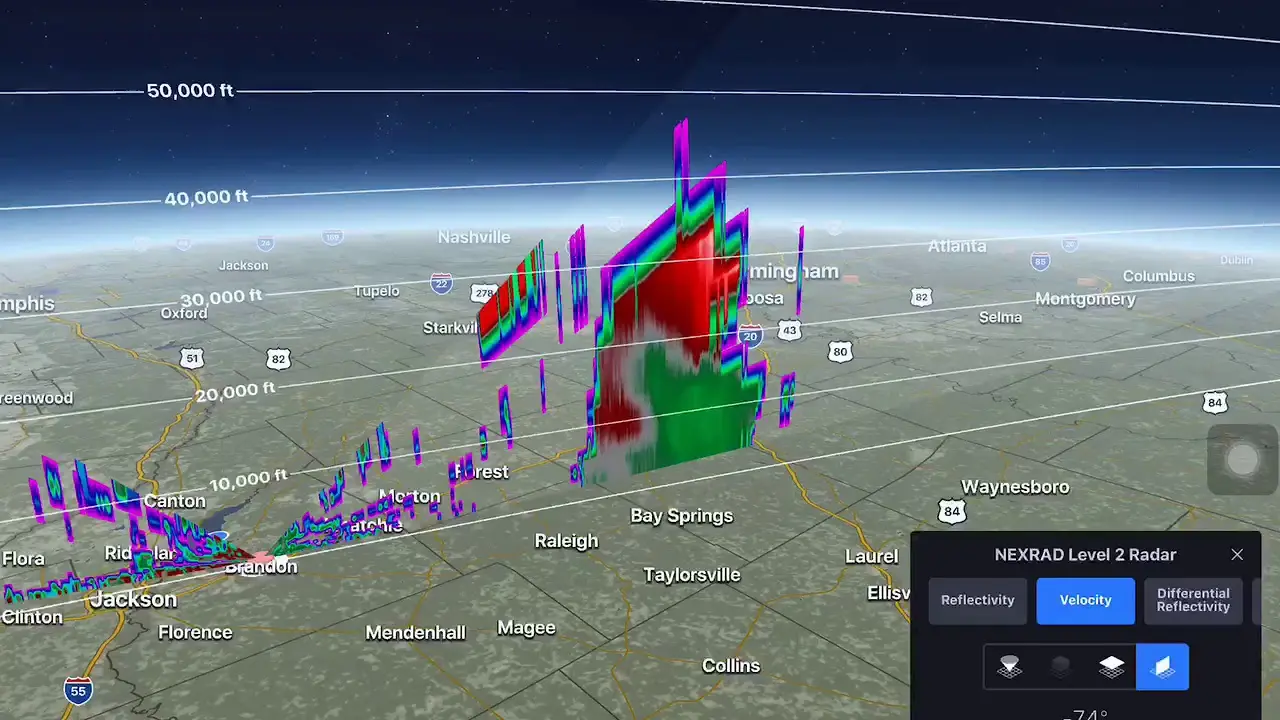
The Significance of Weather Radar Maps
Weather radar maps play a crucial role in weather forecasting and safety for millions of people around the world. As climate patterns become increasingly volatile, accurate weather monitoring is essential. These maps visually represent precipitation, severe storms, and other meteorological phenomena, providing invaluable information for individuals and organizations alike.
How Weather Radar Works
Weather radar systems use radio waves to detect precipitation and its intensity. The radar emits pulses of radio waves that bounce off precipitation particles and return to the radar antenna. The time it takes for the waves to return helps meteorologists calculate the distance and intensity of the precipitation. With advanced technology, radar maps can detect not only rainfall but also snow, hail, and even tornadoes.
Recent Developments in Weather Radar Technology
Recent advancements in weather radar technology have significantly improved the accuracy of forecasts. For example, dual-polarization radar systems can differentiate between types of precipitation, providing more detailed insights. The United Kingdom Met Office has been at the forefront of these innovations, enhancing their radar networks to improve real-time data availability. This has resulted in more reliable weather alerts, giving people and businesses the information they need to prepare for severe weather conditions.
Local Impacts of Weather Radar Maps
Community safety is one of the most significant impacts of improved weather radar maps. For instance, local authorities utilize radar data to issue warnings about impending storms or flooding, potentially saving lives and mitigating damage. Notably, farmers benefit from tailored forecasts that help in planning agricultural activities, ensuring food security.
The Future of Weather Radar Technology
As technology continues to evolve, the future of weather radar mapping looks promising. Researchers are working on integrating artificial intelligence and machine learning algorithms to predict weather patterns more accurately. These advancements could lead to greater efficiency in how we manage response efforts to climate-related challenges.
Conclusion
In conclusion, weather radar maps are not only vital for immediate weather forecasting but also for understanding long-term climate trends. The advancements in technology over recent years highlight their importance in enhancing public safety and supporting various sectors. As we move forward, ongoing innovations will likely make these tools even more integral to our daily lives.
