Introduction
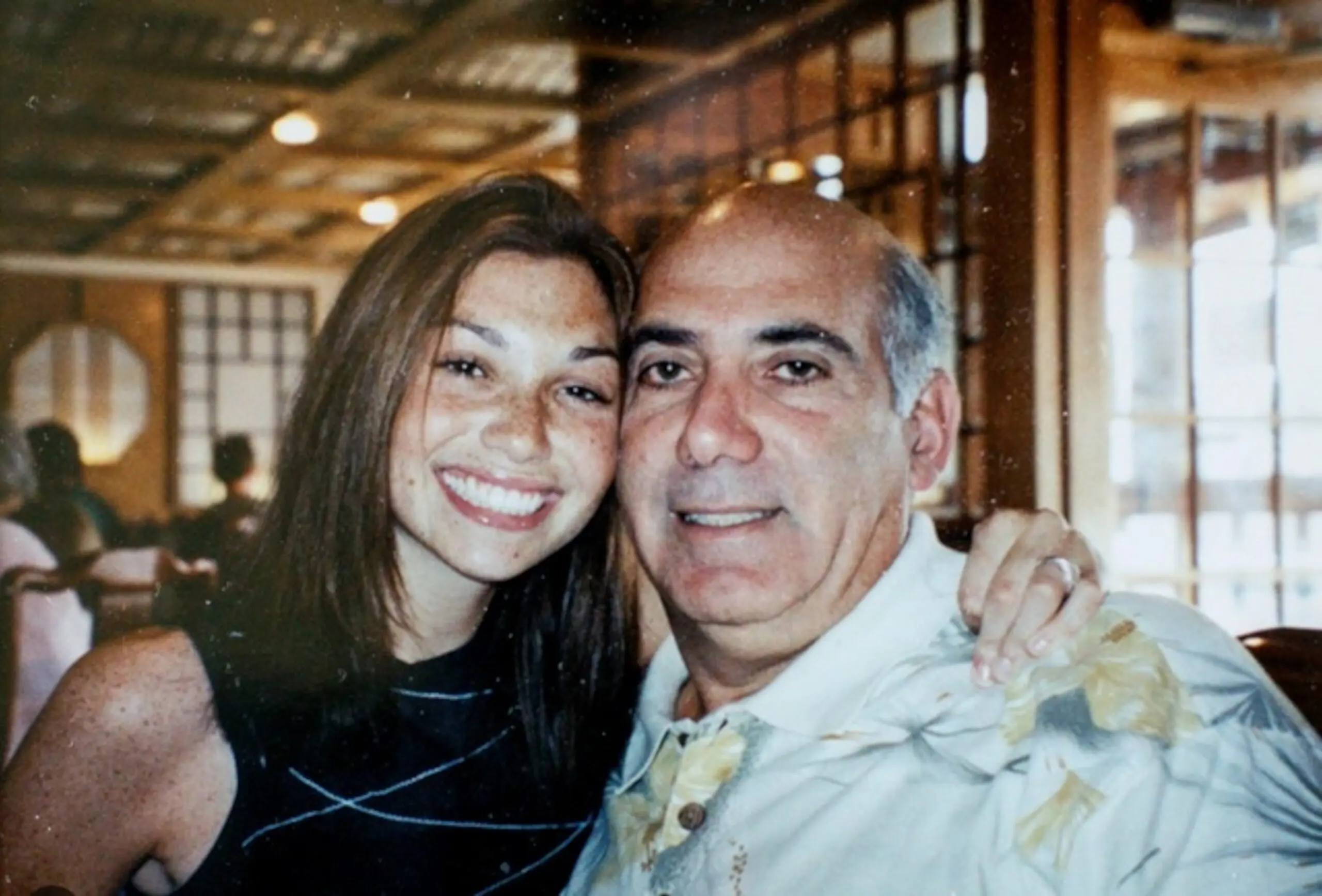
The tragic death of Ellen Greenberg, a 27-year-old school teacher, has captivated the attention of the public and raised serious questions about the circumstances surrounding her demise. Falling under complex layers of both investigation and speculation, the case has not only piqued interest due to its mysterious nature but also its implications for discussions around domestic violence and investigation protocols in similar cases.
The Case Background
Ellen Greenberg was found dead in her apartment in January 2011, in what authorities initially ruled a homicide, later declared as a suicide by the Philadelphia Department of Public Health. The shocking element of her case stems from the fact that she was found with 20 stab wounds, leaving many family members and advocates questioning the official conclusion. The unusual nature of the death drew immediate media attention and sparked widespread public interest, leading to a renewed investigation into the circumstances.
Latest Developments
Since the initial ruling, Ellen’s family has relentlessly pursued justice, hiring a private investigator to uncover what they believe to be significant oversights in the original investigation. Recent discussions surrounding the case have brought several factors to light, including the discovery of new witnesses, potential inconsistencies in the timeline of events, and a re-examination of the forensic evidence that was presented in 2011.
Furthermore, numerous petitions have sparked debates across social media platforms, urging authorities to reconsider the original ruling. In the past few months, there have been calls from various advocacy groups for legislative changes that would facilitate a more thorough review process for suspicious deaths, inspired by Ellen’s story.
The Significance of the Case
The Ellen Greenberg case acts as a somber reminder of the complexities surrounding death investigations, particularly those of women who may be victims of domestic abuse. Many advocates see Ellen’s story as emblematic of a deeper societal issue, highlighting the need for more comprehensive protocols in cases involving potential domestic violence. The outcry for justice and accuracy in such cases is gaining momentum, with many rallying for more transparency in how these investigations are conducted.
Conclusion
The ongoing saga of Ellen Greenberg’s case serves to underline the crucial need for justice for victims of violent crimes. As new information continues to surface, the community remains hopeful that renewed focus on the case may lead to clarity and resolution. For families and friends of victims, the hope is not just closure for one individual but a broader reassessment of policy and practice in the investigation of suspicious deaths. Ellen’s case, and those like it, highlight the responsibility of society to demand accountability and transparency in the pursuit of justice.
