Introduction
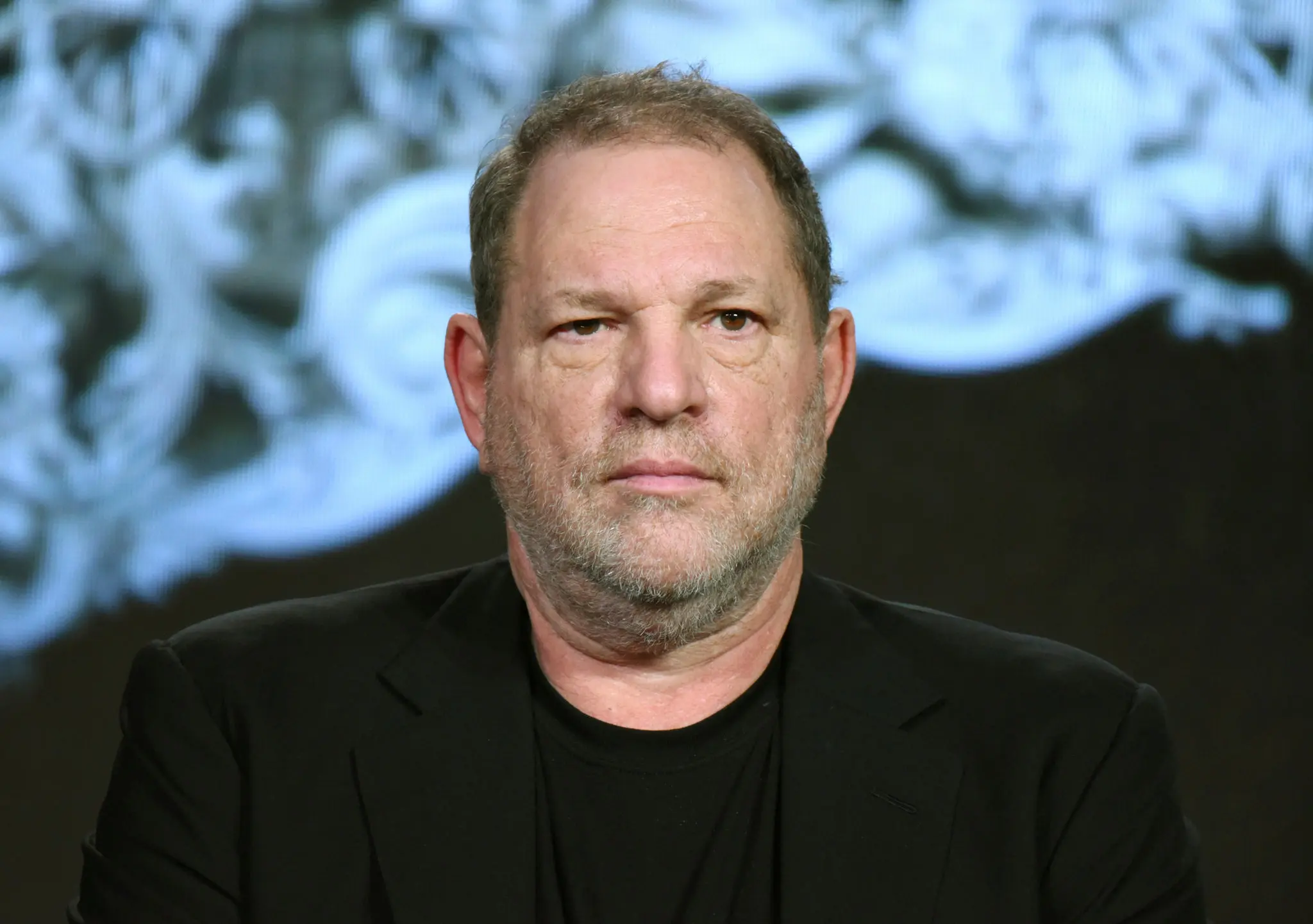
The case of Harvey Weinstein has become emblematic of the fight against sexual harassment and assault within the film industry and beyond. A powerful figure in Hollywood, Weinstein’s fall from grace has prompted widespread discussions about misconduct, accountability, and the urgent need for change. His actions have not only catalysed the #MeToo movement but have also influenced legal reforms concerning workplace harassment.
Recent Developments
As of October 2023, Harvey Weinstein is serving a 16-year sentence after being convicted of multiple charges related to sexual assault. His high-profile trial focused on incidents that occurred over a span of decades, affecting numerous women. Following his conviction in New York, Weinstein faced additional charges in Los Angeles, where a jury found him guilty on multiple counts.
In legal news, Weinstein’s defence team filed an appeal seeking to overturn his conviction, citing alleged judicial errors during the trial and extensive media coverage that they argue compromised the jury’s impartiality. This appeal is part of ongoing legal battles, highlighting an evolving landscape of judicial procedures around high-stakes cases of sexual misconduct.
Impact on the Film Industry
Weinstein’s actions have had profound implications for Hollywood and the entertainment industry as a whole. His case has led to increased scrutiny regarding the treatment of women in film, prompting many to speak out about their own experiences. The #MeToo movement, which gained momentum following the initial allegations against Weinstein, has empowered individuals from various sectors to come forward with their stories. Additionally, industry leaders are now more focused on establishing policies that protect against harassment and provide safe channels for reporting incidents.
Looking Ahead
While Weinstein’s downfall marked a significant shift in how sexual harassment is addressed in the entertainment industry, the journey is far from over. As the appeal process unfolds, it raises questions about the justice system’s ability to handle such high-profile cases impartially. Moreover, stakeholders are urged to continue advocating for a culture of safety and accountability in all workplaces.
Conclusion
The case of Harvey Weinstein serves not only as a reminder of the dark corners of societal norms but also as a catalyst for change. As discussions about ethics, power dynamics, and workplace safety continue, the legacy of Weinstein’s actions may ultimately lead to lasting reforms, fostering environments where respect and dignity are paramount. For readers, the ramifications of this case extend beyond Hollywood, emphasising the importance of vigilance in safeguarding against misconduct in any professional setting.
