Introduction
Les Wexner, the founder of L Brands, has played a pivotal role in shaping the retail landscape, particularly with his influence in the fashion industry. As CEO of companies such as Victoria’s Secret and Bath & Body Works, Wexner’s contributions to branding and marketing have left an indelible mark on modern retail. Understanding Wexner’s journey sheds light on not just business strategies but also on the evolving perceptions of consumerism and corporate responsibility.
Early Life and Career
Born on September 8, 1937, in New Albany, Ohio, Les Wexner attended Ohio State University. He established his first retail business, The Limited, in 1963 to cater to a specific market segment of young women, combining affordability with trends. This move set the stage for an empire that would include multiple high-profile brands. Over the years, Wexner expertly navigated the retail sector, demonstrating a keen understanding of consumer desires and market trends.
Founding of L Brands
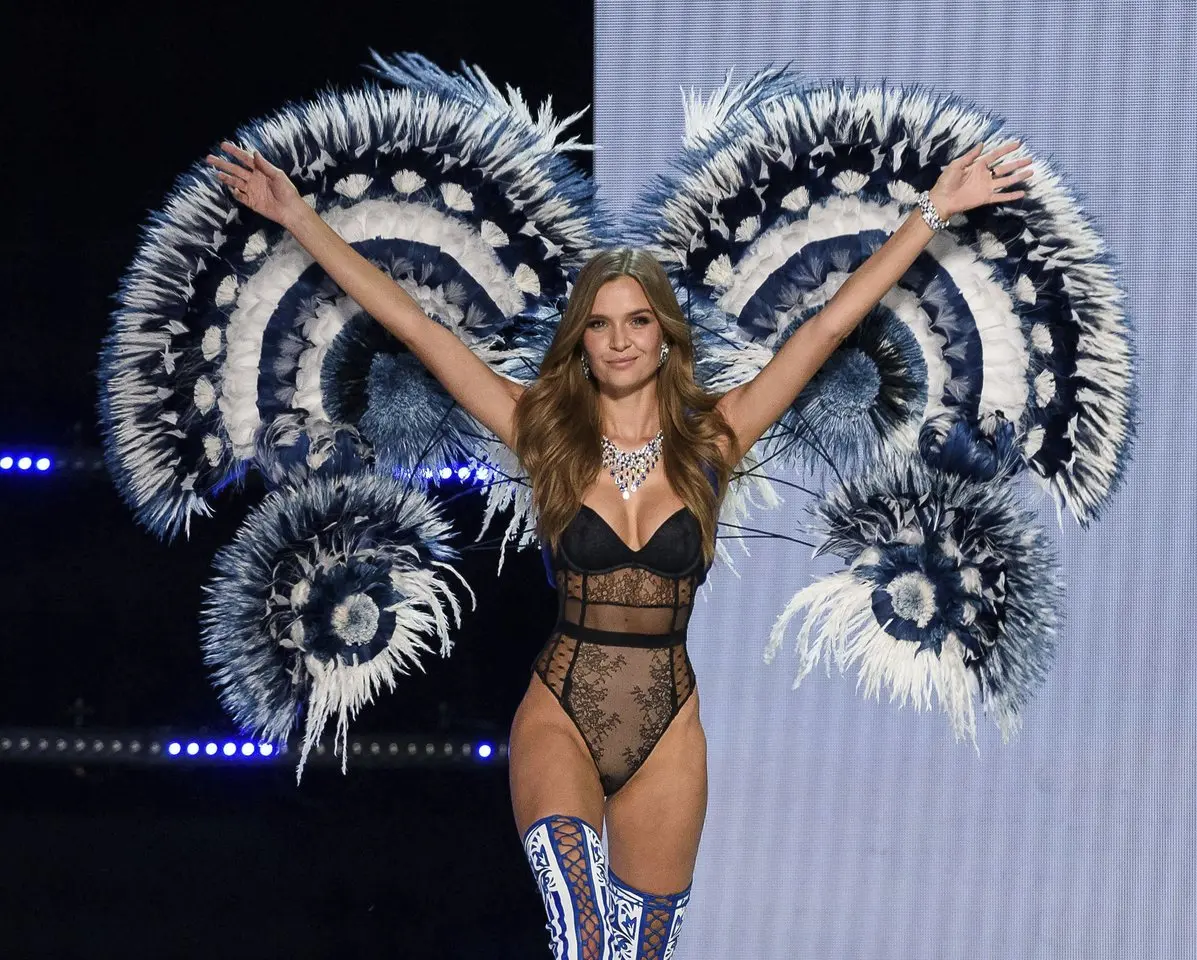
In 1982, Wexner founded L Brands, which encompassed various retail chains, most notably Victoria’s Secret, which he purchased in 1982. Under his guidance, the brand transformed into a household name, recognized for its lavish fashion shows and celebrity endorsements. These marketing strategies not only drove sales but also significantly influenced cultural perceptions of female beauty and empowerment.
Controversies and Corporate Accountability
While Wexner’s business acumen is widely acknowledged, his connections with Jeffrey Epstein have drawn scrutiny and affected his public image. After Epstein’s legal issues came to light, Wexner faced backlash over his long-standing association with the convicted sex offender, raising questions about corporate accountability and ethical leadership. Consequently, Wexner stepped down from L Brands in 2020, signalling a shift in both company leadership and brand direction.
The Future of L Brands and Wexner’s Legacy
Despite stepping down, Les Wexner’s legacy in retail remains significant. L Brands has continued to restructure, focusing efforts on core brands and redefining its mission. The challenges presented by Wexner’s past dealings highlight the necessity of ethical conduct in business, prompting a broader conversation about integrity in leadership roles across industries.
Conclusion
Les Wexner’s journey is a testament to the dynamic nature of the retail landscape, underscoring both the triumphs and pitfalls inherent in corporate leadership. As consumer expectations evolve, the legacy of leaders like Wexner serves as a crucial reference point for current and future business practices. The retail sector must continue negotiating ethical dilemmas to foster trust and responsibility, marking the true significance of Wexner’s contributions beyond mere financial success.
