Introduction
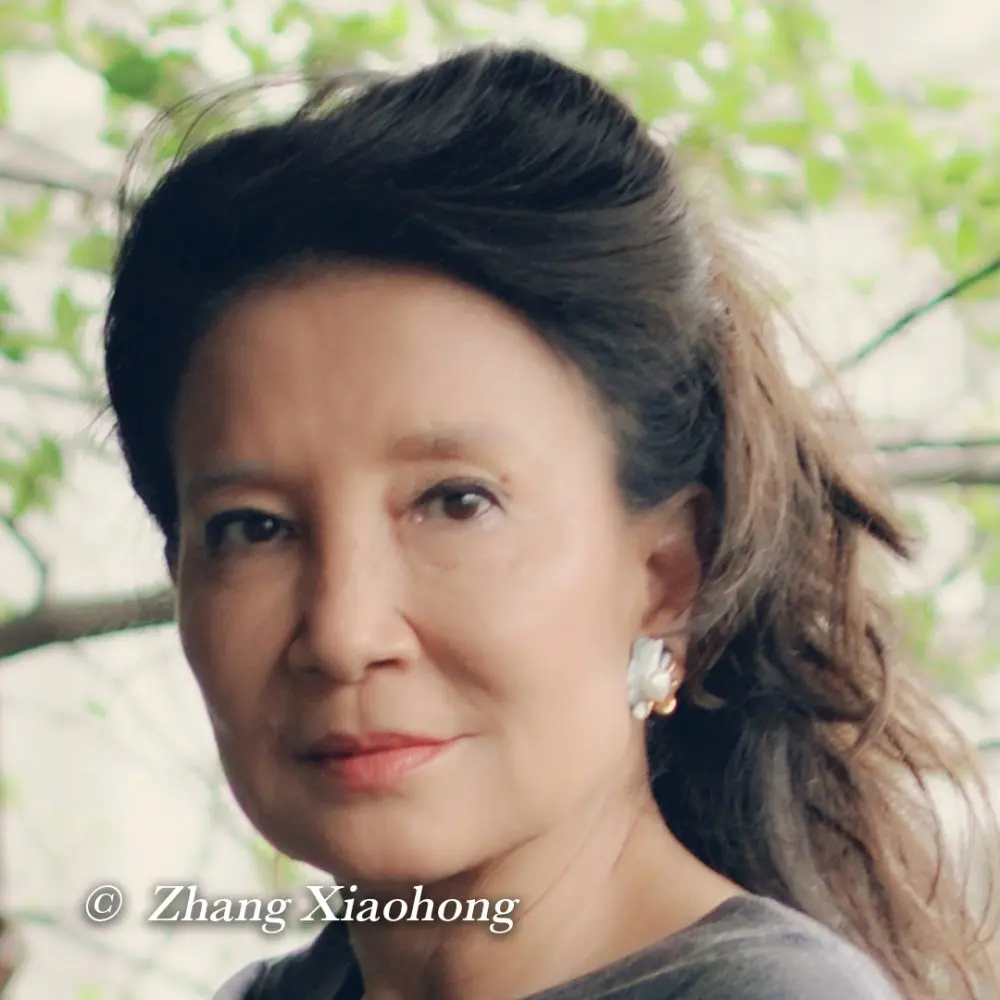
Jung Chang is an acclaimed author and historian best known for her significant contributions to literature and historical understanding, particularly regarding China. Her works delve into the intricacies of Chinese history, culture, and politics, paving the way for a deeper comprehension of one of the world’s oldest civilisations. In a time when understanding global narratives is crucial, Chang’s work offers essential insights into both the past and present dynamics of China.
Life and Background
Born in 1952 in Yibin, Sichuan province, Jung Chang had a tumultuous upbringing during the Chinese Cultural Revolution, which deeply influenced her perspectives and writing. She moved to the UK in 1978, later becoming a prominent voice in contemporary literature. Chang’s most famous work, Wild Swans, not only chronicles the lives of three generations of women in her family but also provides a powerful chronicle of modern China through personal narratives.
Major Works and Achievements
In Wild Swans, published in 1991, Chang intricately weaves her family’s stories with the history of China from the early 1900s to the 1990s, resulting in a work that has sold over 10 million copies worldwide. This book was pivotal in bringing the experiences of Chinese women to a global audience. Additionally, her biography Empress Dowager Cixi, published in 2013, re-examines one of history’s most misunderstood figures, shedding light on the complexities of imperial China through her life.
Chang’s writings have not only garnered critical acclaim but have also sparked discussions about gender, power, and history. She has won numerous awards, including the British Book Award and the Hungarian Anti-Communist Award.
Recent Developments and Influence
In recent years, Jung Chang has continued to engage with contemporary issues surrounding China, often commenting on the political climate and encouraging dialogues about human rights. Her influence extends beyond literature; she has been an active participant in discussions on democracy and freedom in China, using her platform to advocate for change.
Conclusion
Jung Chang’s profound impact as a writer and historian resonates through her works and contributions to understanding Chinese history. Her narrative approach offers an emotional lens to complex historical events, making them accessible and relatable. Chang’s advocacy for human rights and her insightful commentary on China remain significant as the world navigates the complexities of international relations. As her readership continues to grow, her stories and insights will undoubtedly inspire future generations to explore the rich tapestry of China’s past and present.
