Introduction
Bradley Wiggins is a name synonymous with British cycling, known not only for his impressive achievements but also for his significant influence on the sport. As the first British cyclist to win the Tour de France in 2012 and a multiple Olympic gold medalist, Wiggins has become a key figure in promoting cycling in the UK. His journey from a young boy in London to a world-class athlete serves as an inspiration for aspiring cyclists everywhere.
The Early Years
Born on April 28, 1980, in Ghent, Belgium, Wiggins was raised in London, where his passion for cycling blossomed at a young age. His involvement in cycling began at the age of 12, quickly progressing from local competitions to national events. His early exposure to the sport and determination led him to join the British cycling team in 1997.
Career Highlights
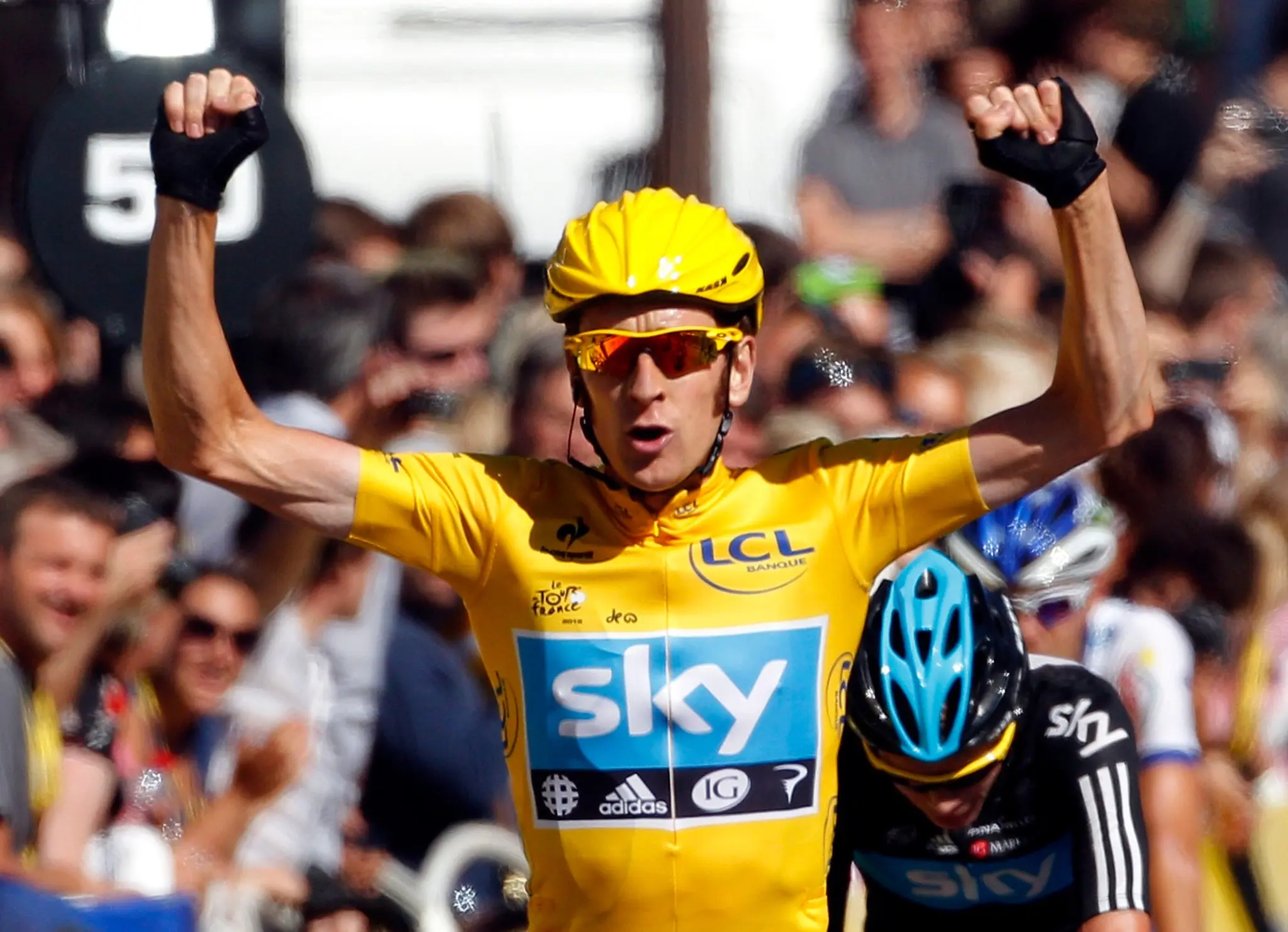
Wiggins’s professional cycling career spanned over a decade and is marked by numerous milestones. In 2004, he represented Great Britain at the Athens Olympics, winning a bronze in the team pursuit. However, it was the 2012 London Olympics that solidified his legacy, where he not only won the gold medal in the individual pursuit but also set a world record. That same year, he made history by clinching the Tour de France title, becoming a household name and a symbol of British cycling.
Post-Cycling Career
Following his retirement in 2016, Wiggins has continued to impact the sport in various forms. He has taken on roles as a coach and commentator, sharing his wealth of experience with emerging cyclists. Additionally, he has been involved in various charitable activities, promoting cycling and fitness, especially among youth.
Legacy and Influence
Wiggins’s influence extends beyond his medals and titles. He has inspired a generation of cyclists to pick up the sport, contributing to the cycling boom in the UK, particularly after the London Olympics. His openness about challenges, including mental health and the pressures of being a professional athlete, has resonated with many, encouraging discussions around athlete wellbeing. Furthermore, his advocacy for cycling as a mode of transport has made significant contributions to cycling infrastructure and policy changes in several UK cities.
Conclusion
Bradley Wiggins is more than a champion cyclist; he is a trailblazer who has influenced the landscape of British cycling. His remarkable achievements, dedication to the sport, and ongoing contributions demonstrate the importance of role models in sports. As cycling continues to grow in popularity, Wiggins’s legacy will undoubtedly inspire future generations to embrace the sport—on the road, on track, and beyond.
